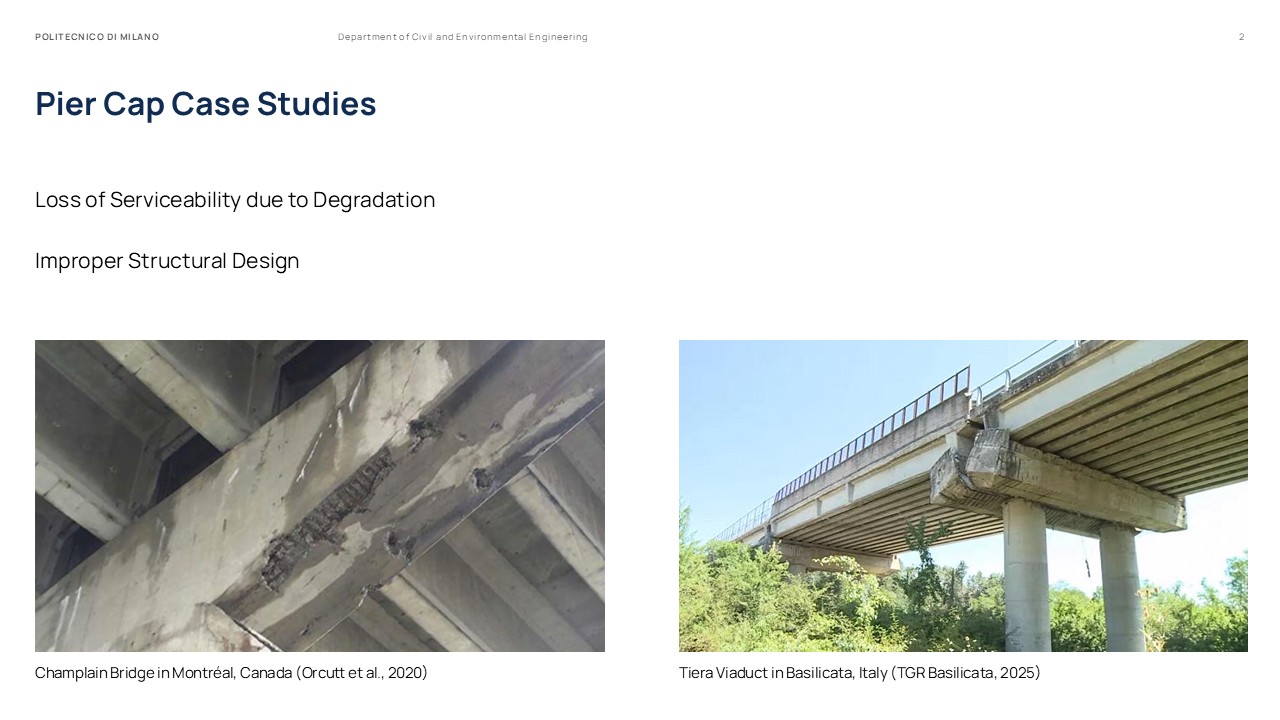
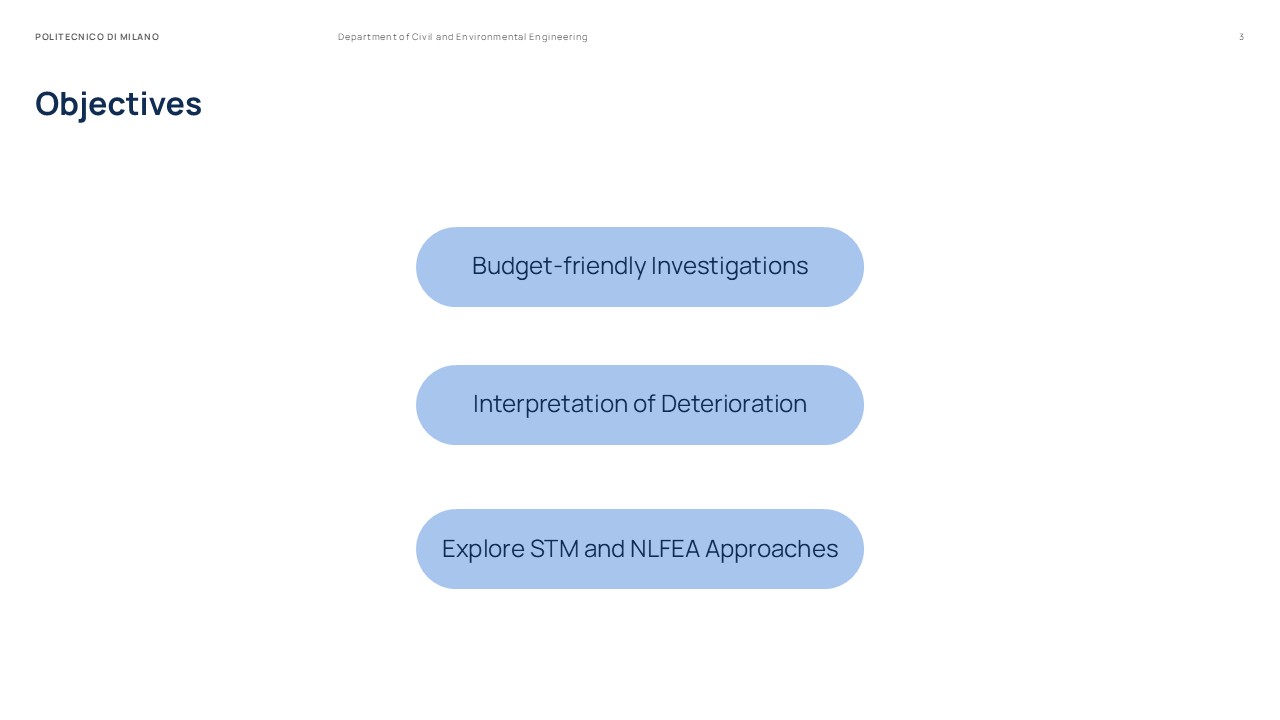
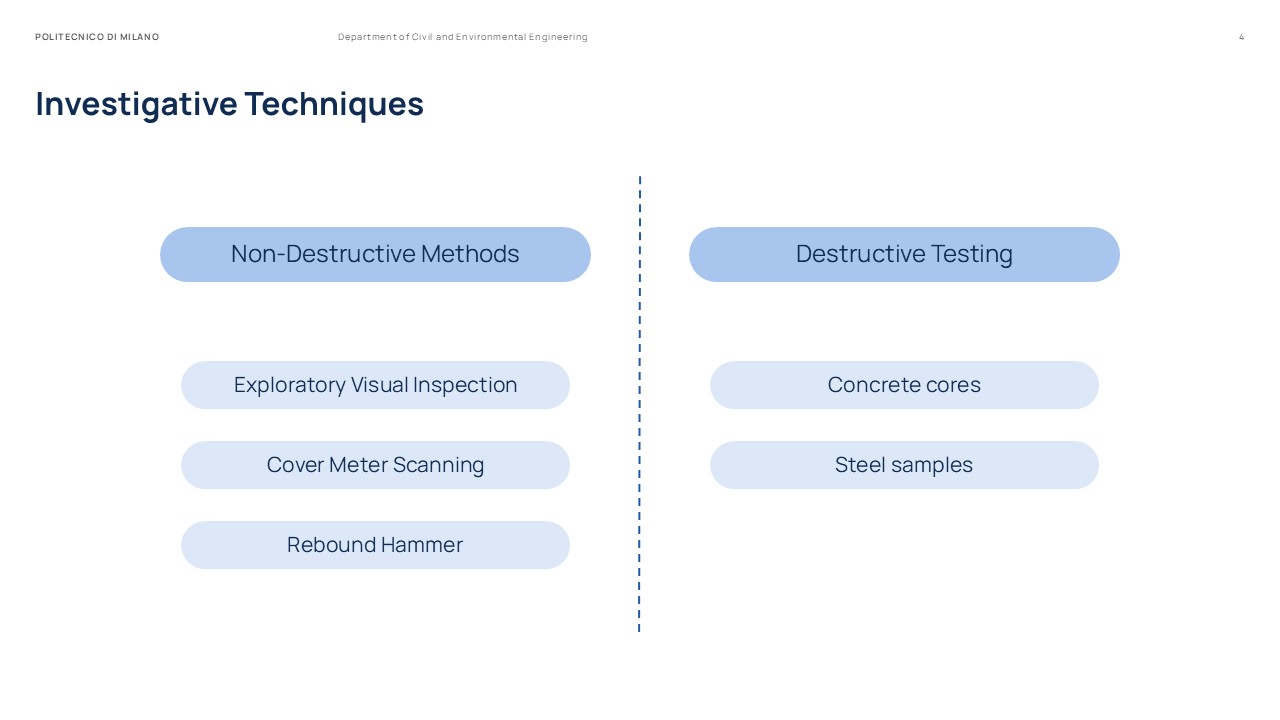
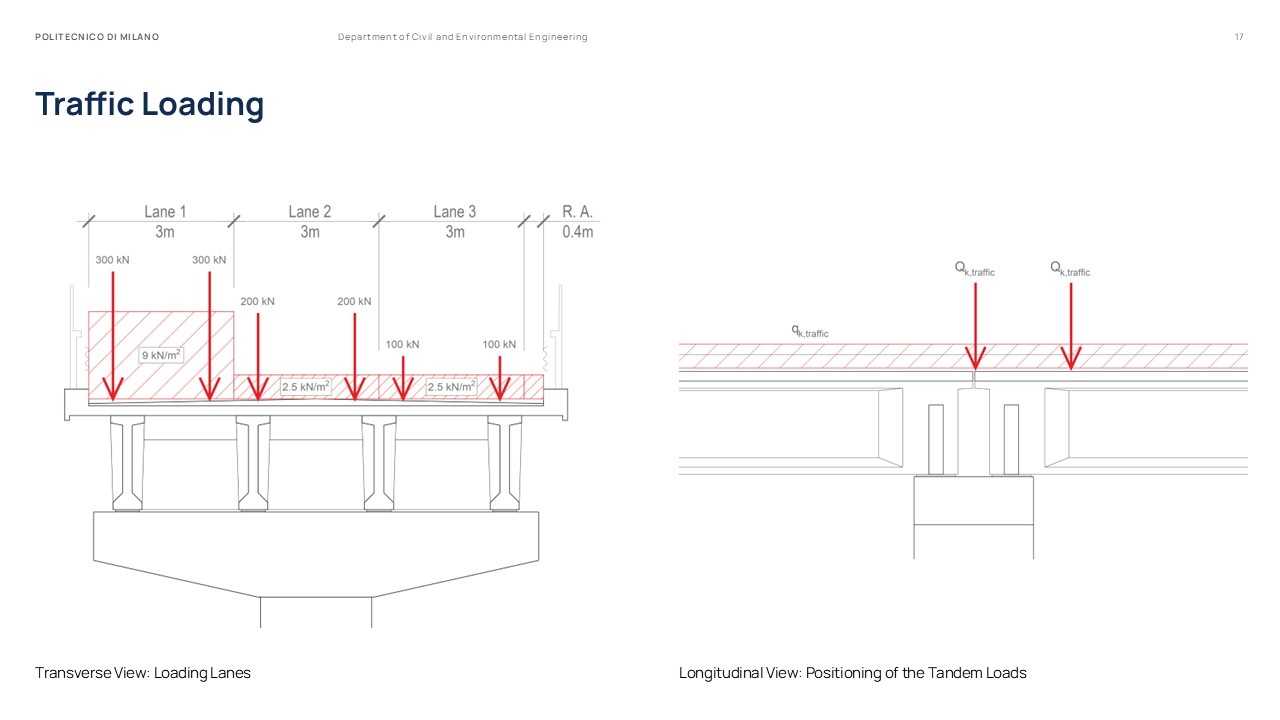
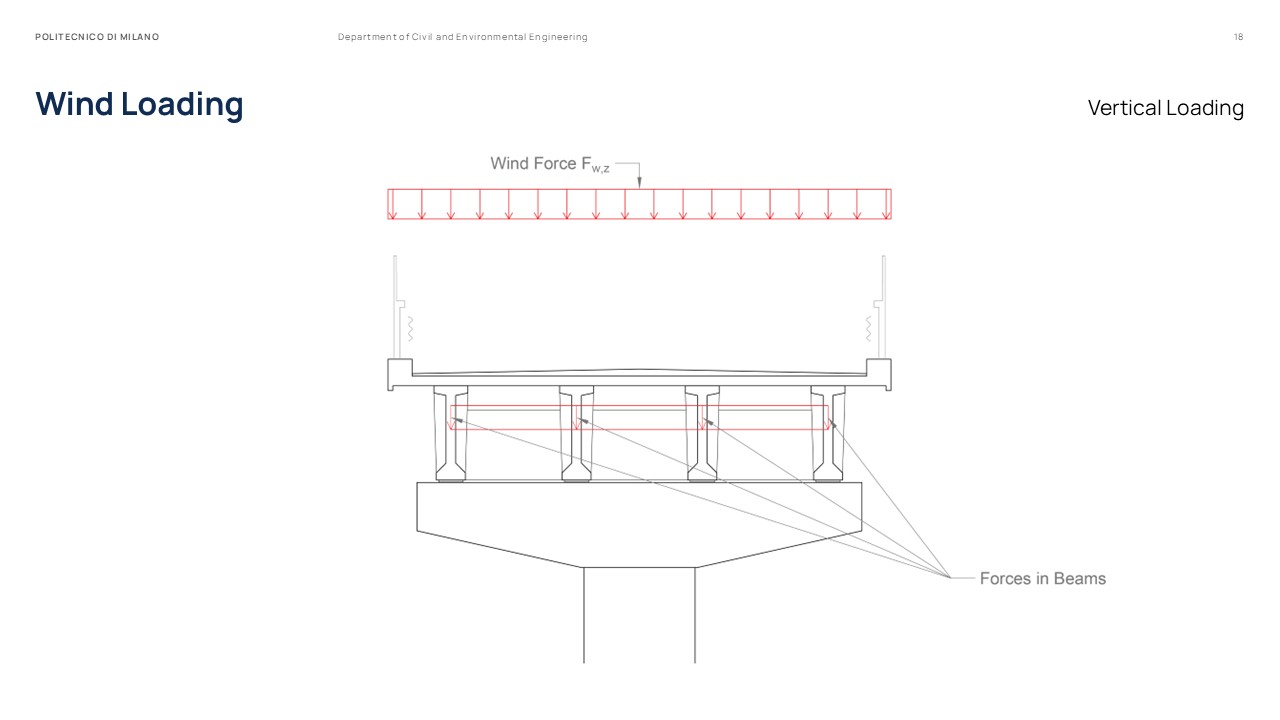
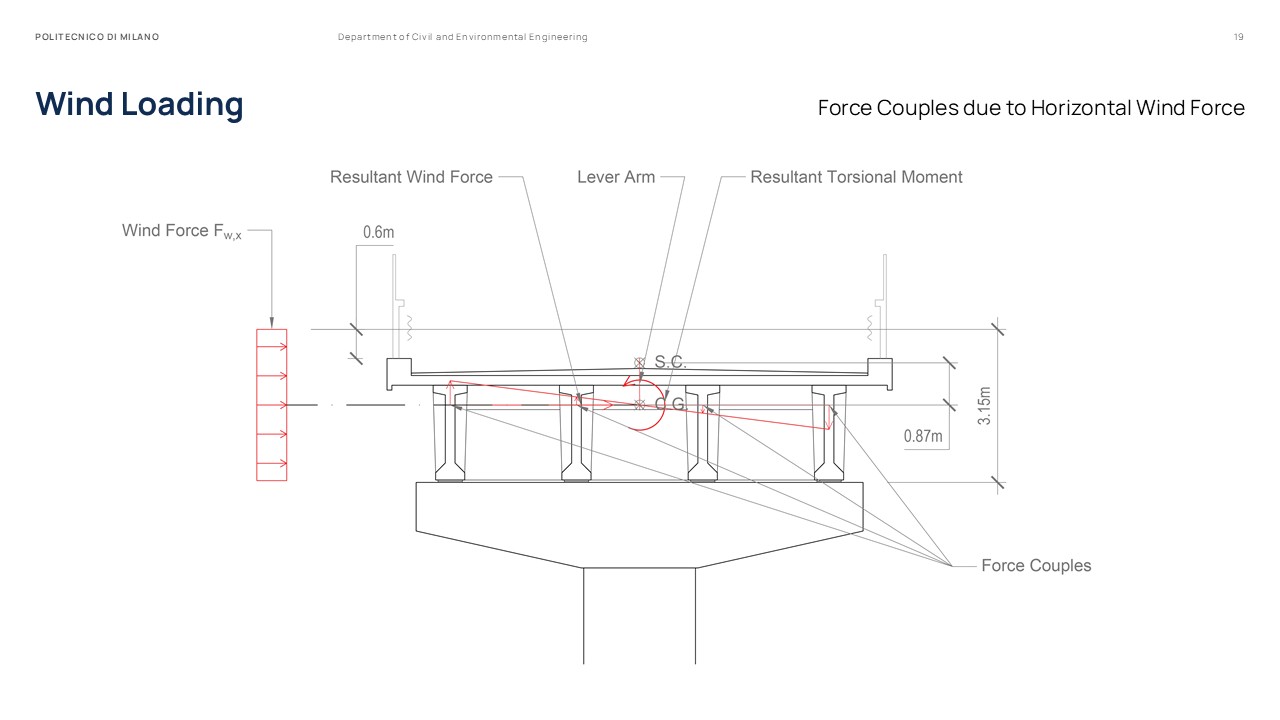
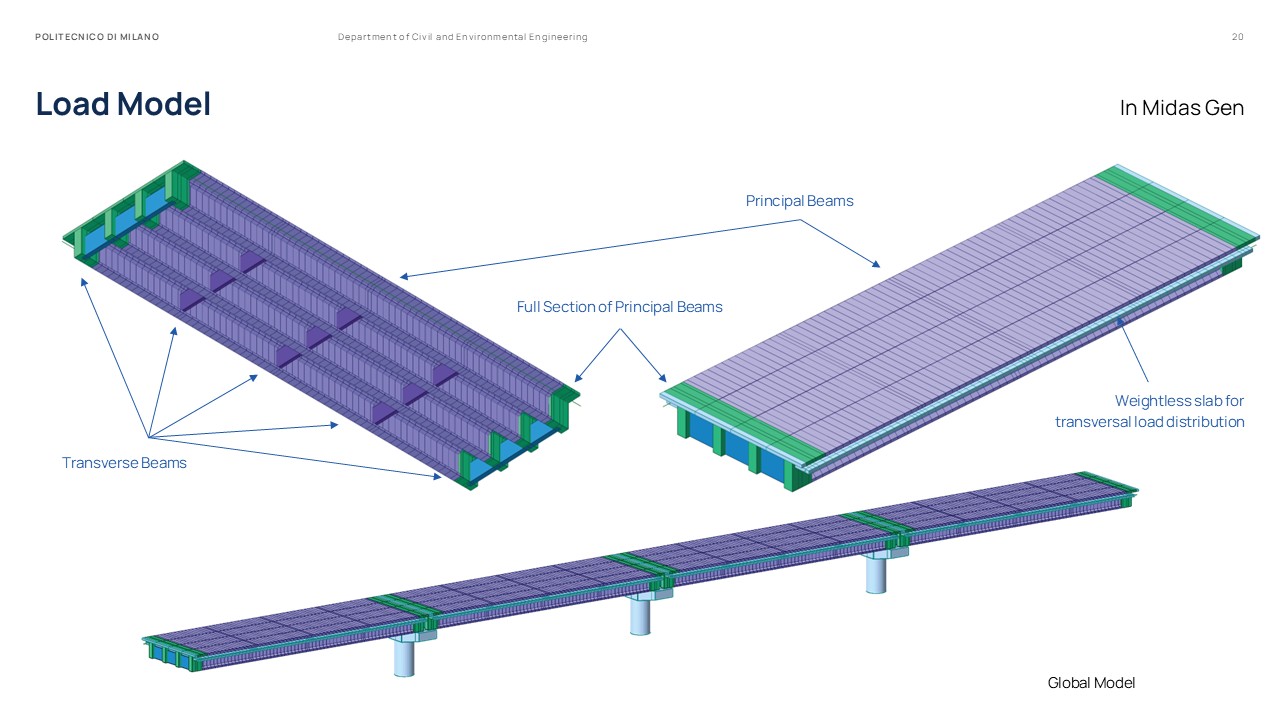
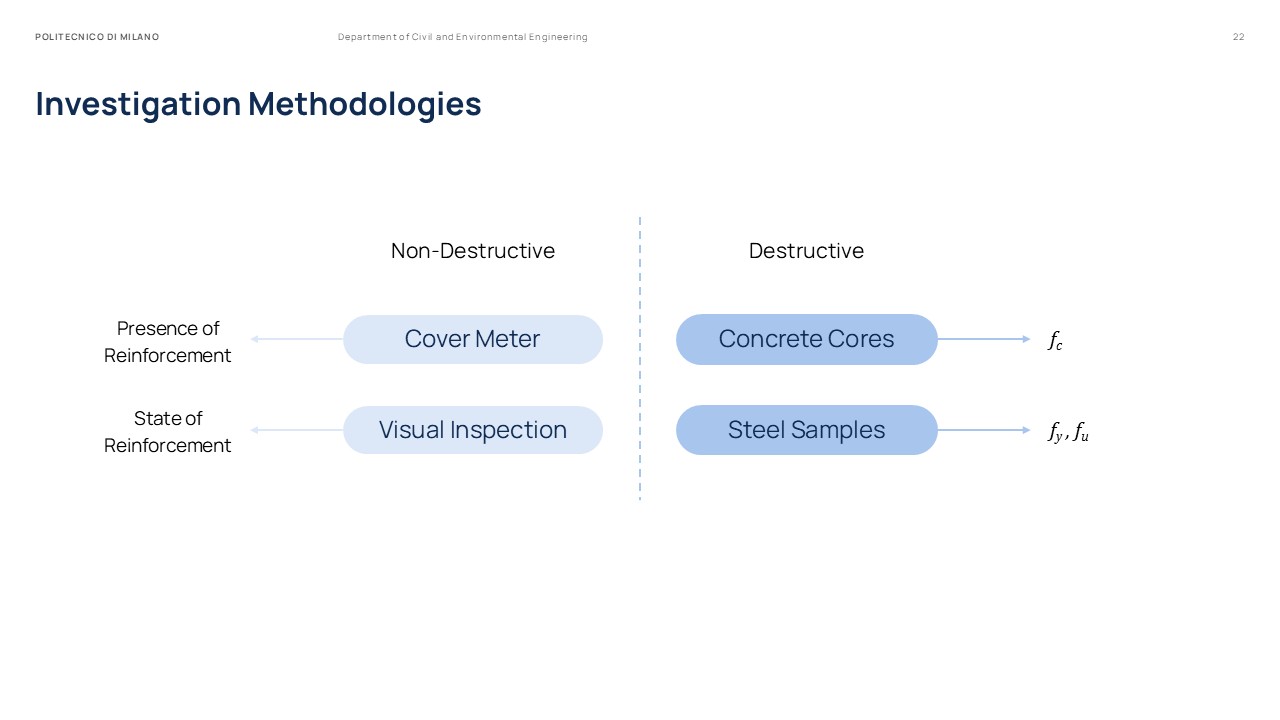
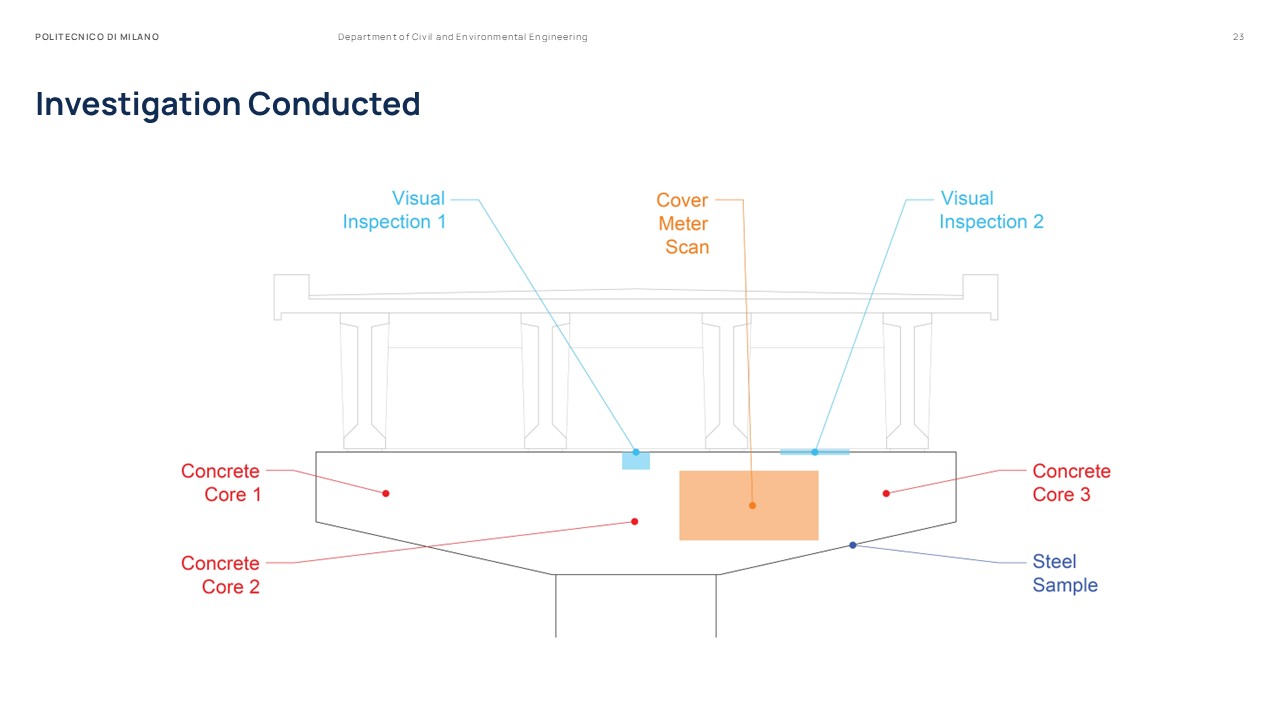

Abstract: Corrosion-related defects in existing concrete structures frequently lead to the eventual failure of unmaintained structures. Deciding on the analysis method to use, conducting an effective investigation within a limited budget, and accurately interpreting defects as variables in the analysis can be challenging.
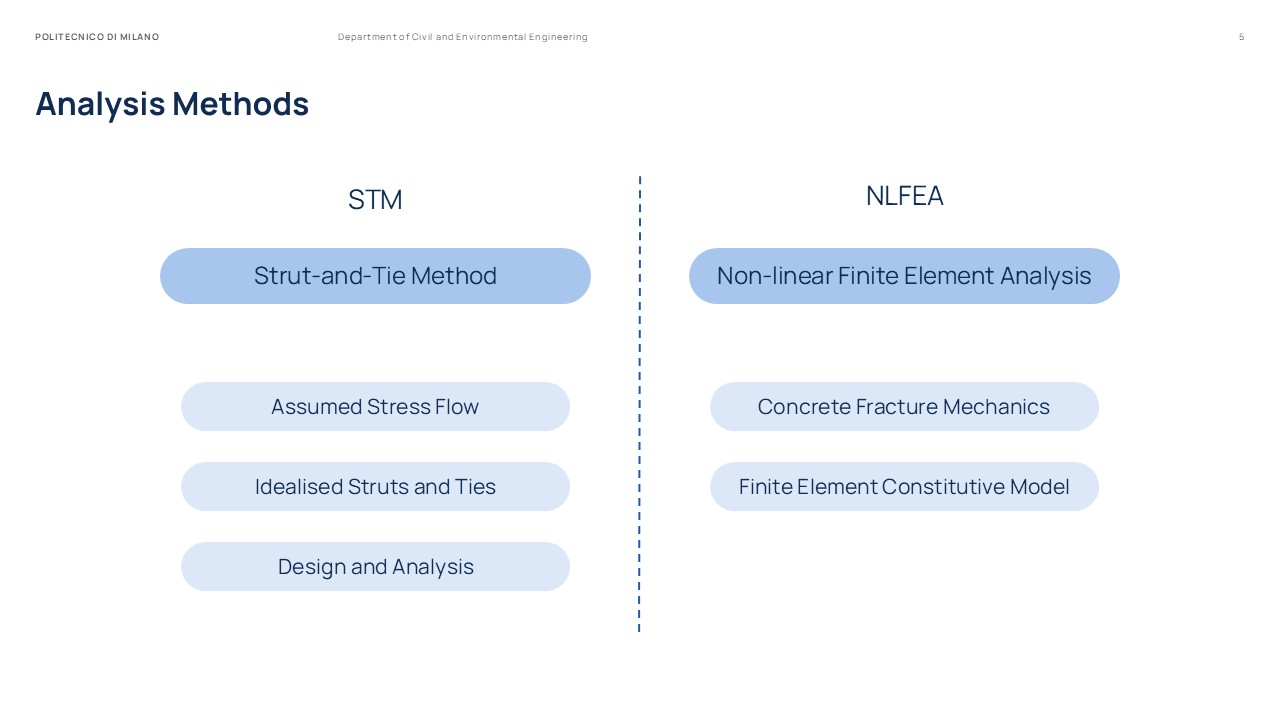
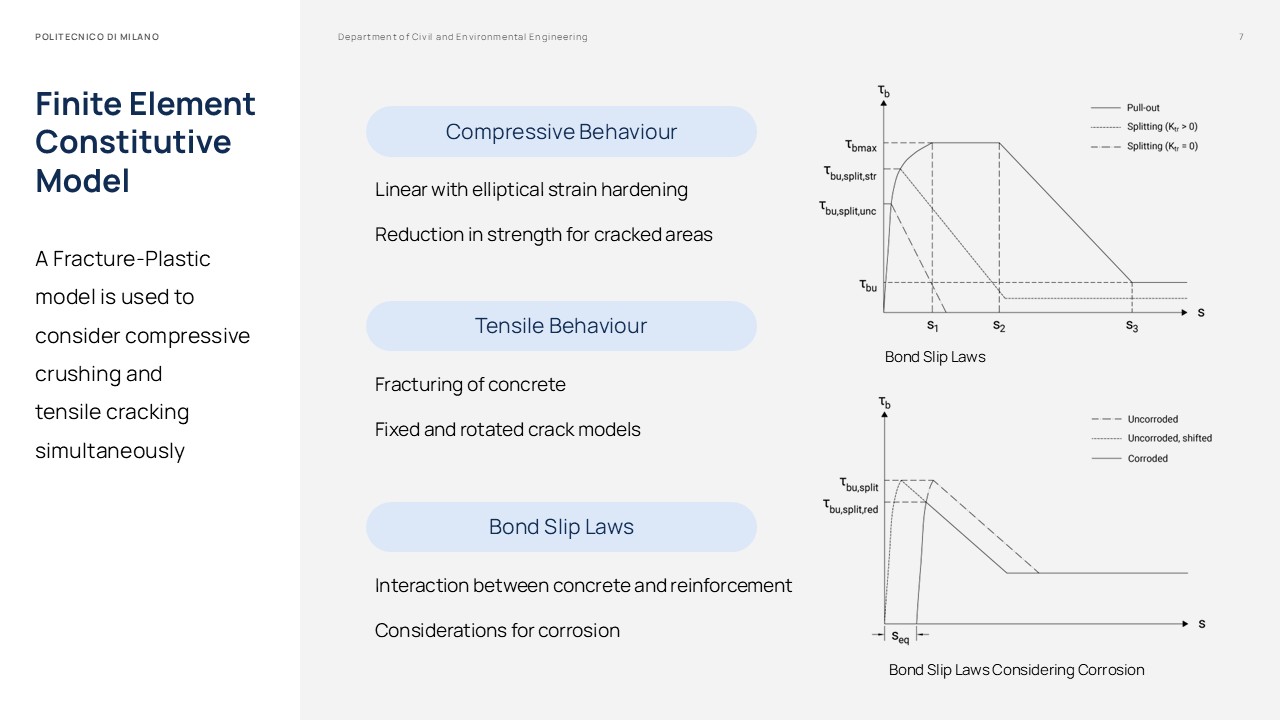
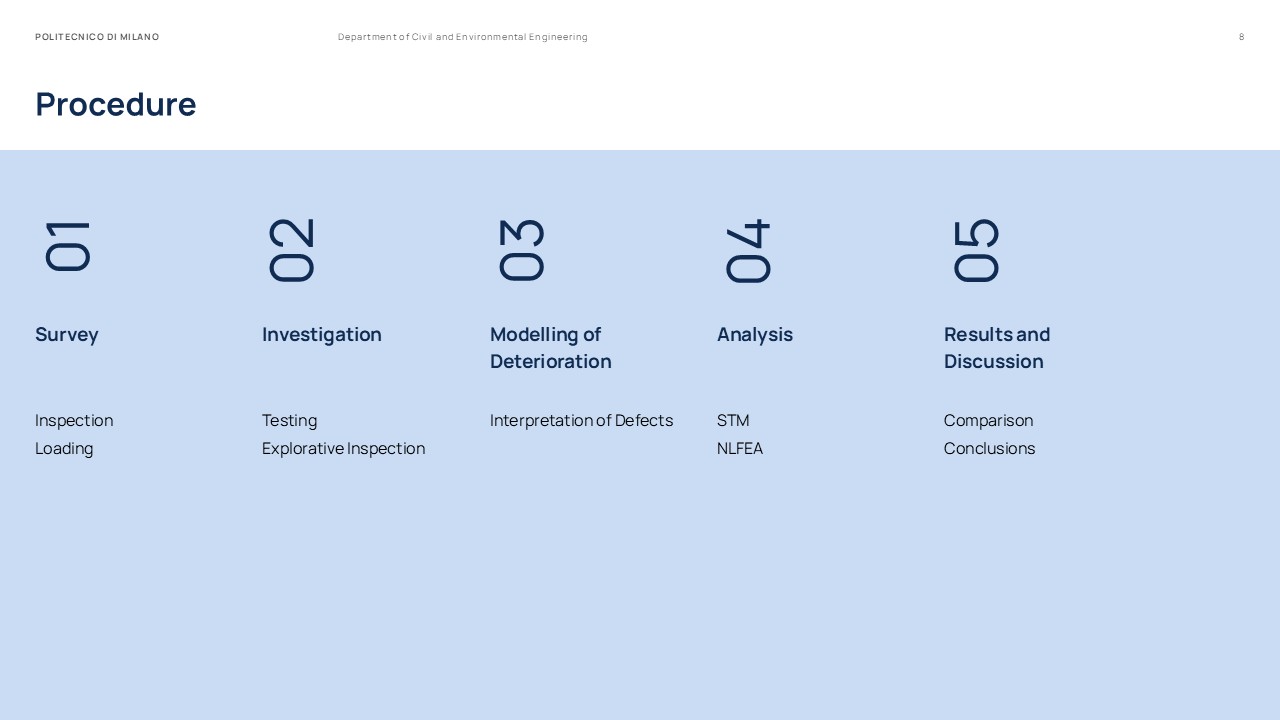
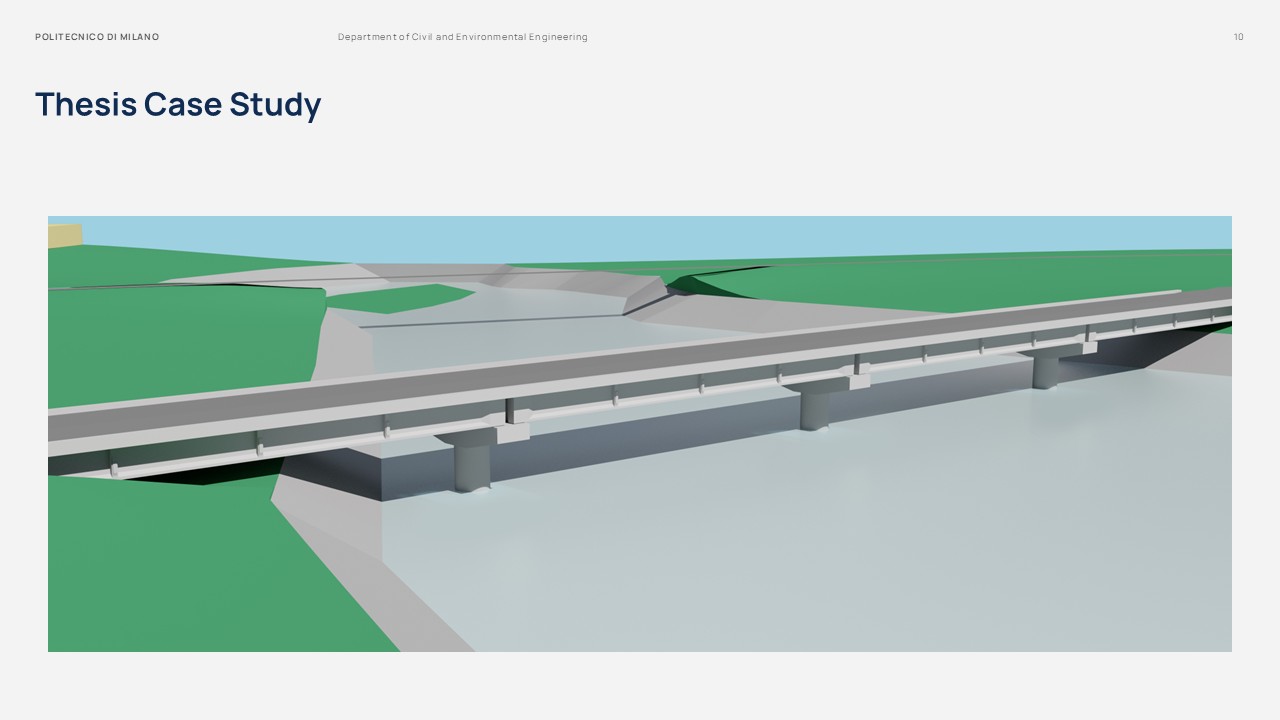
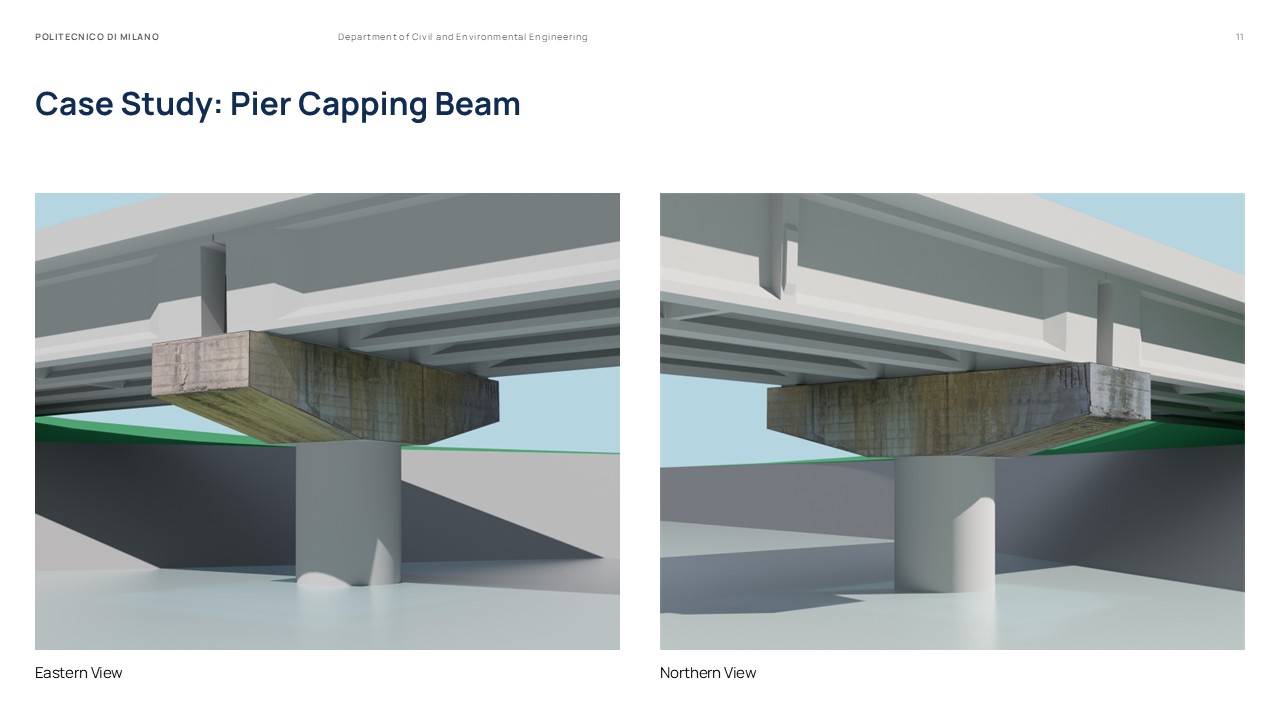
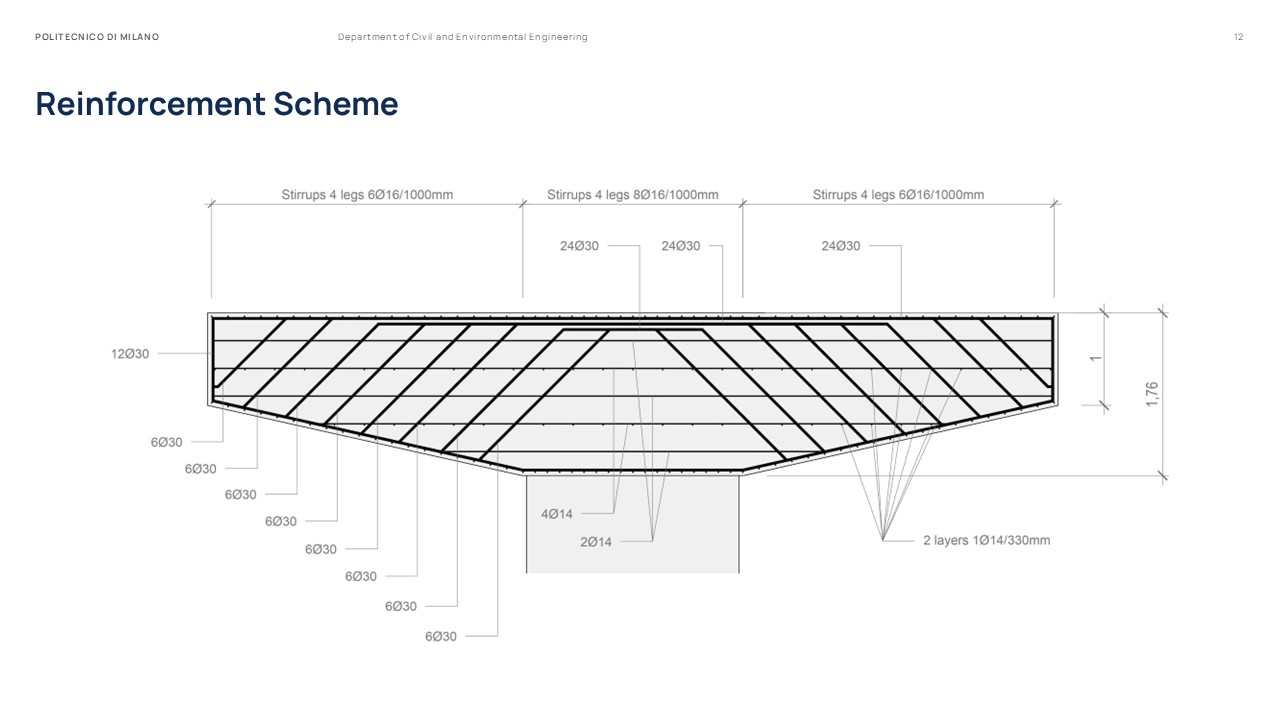
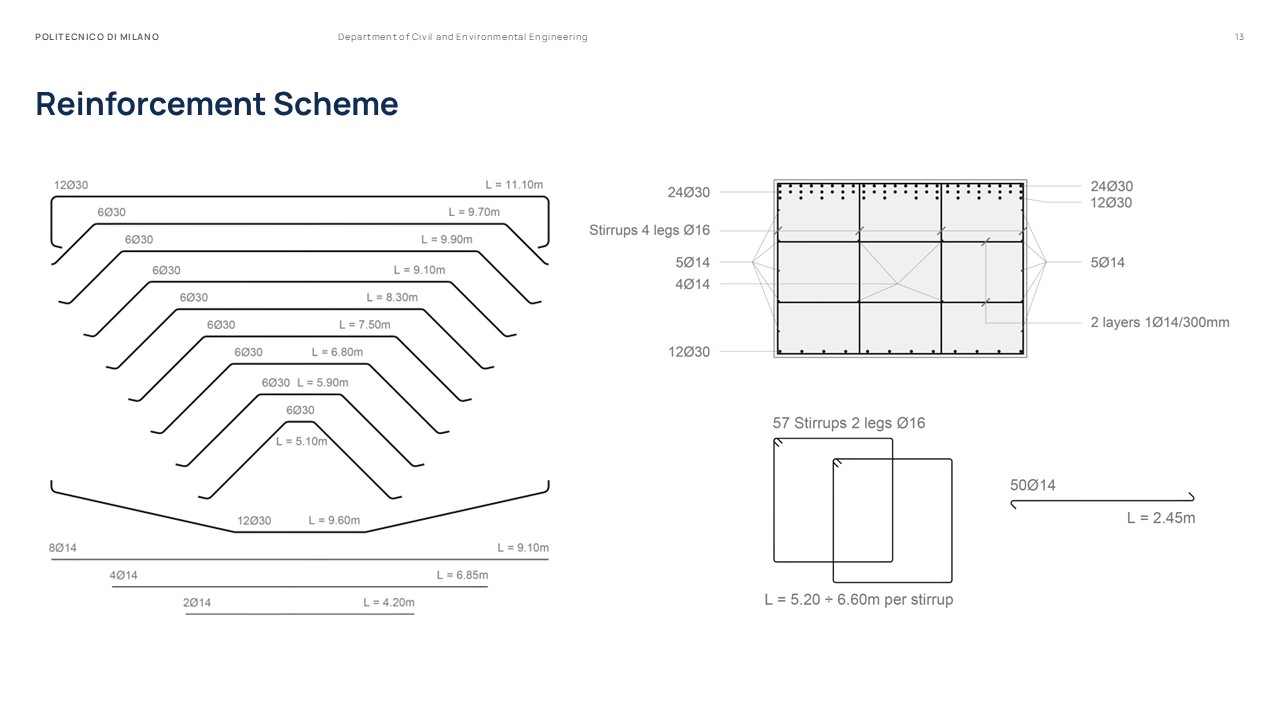
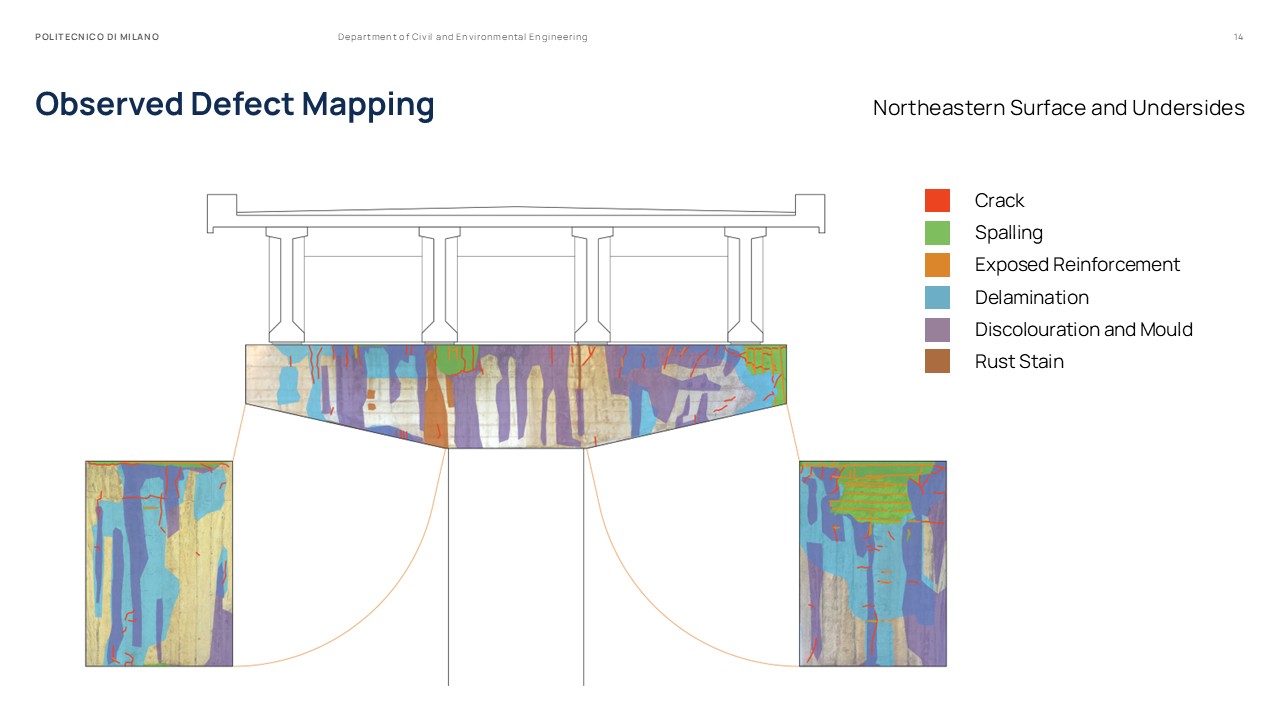
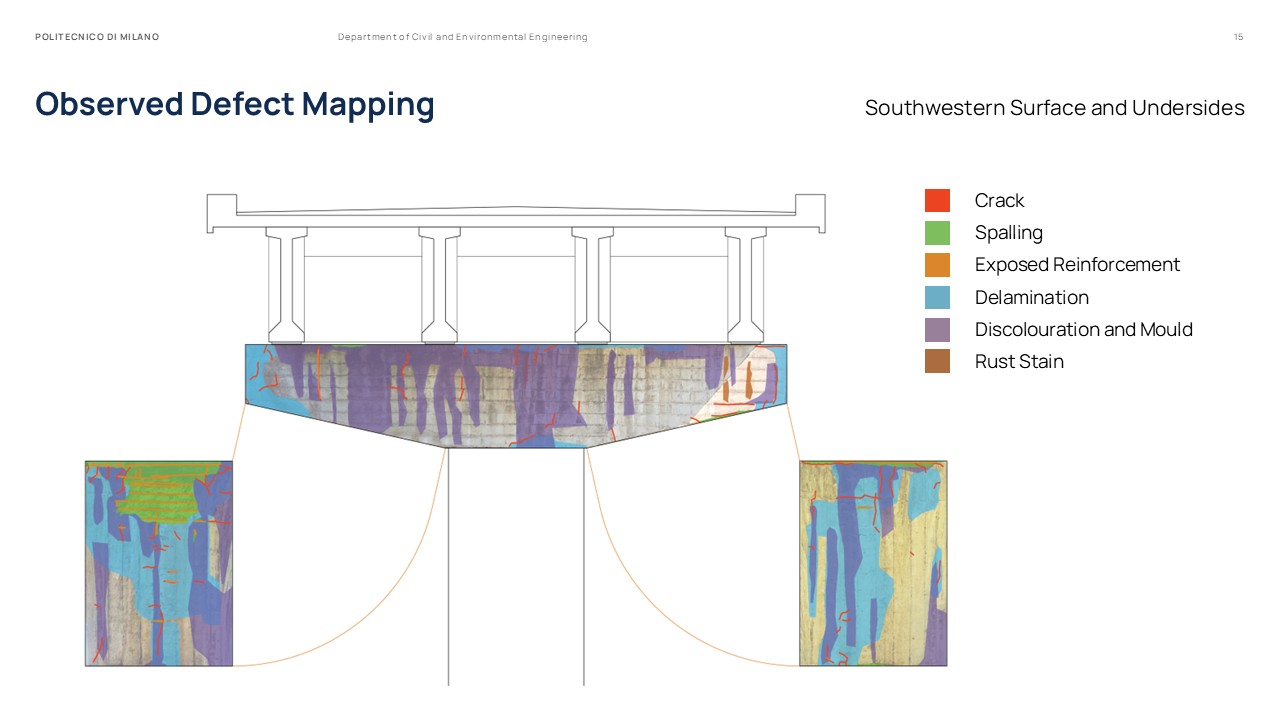
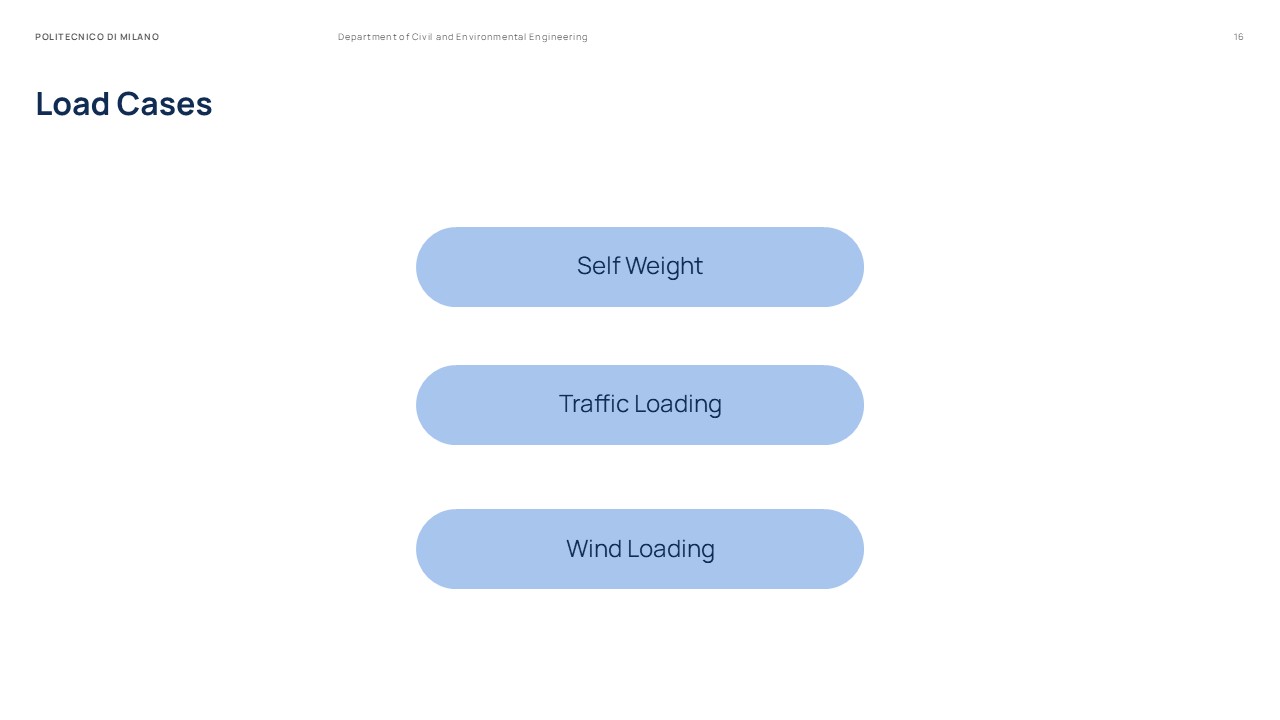
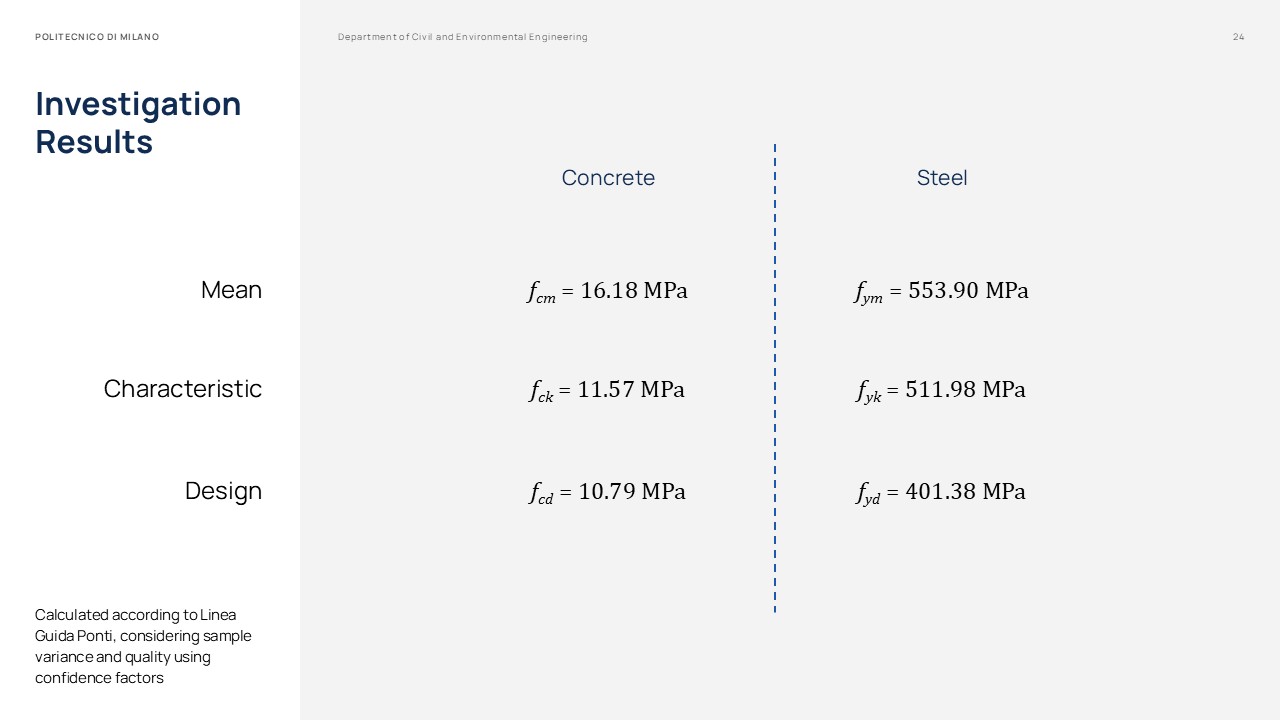
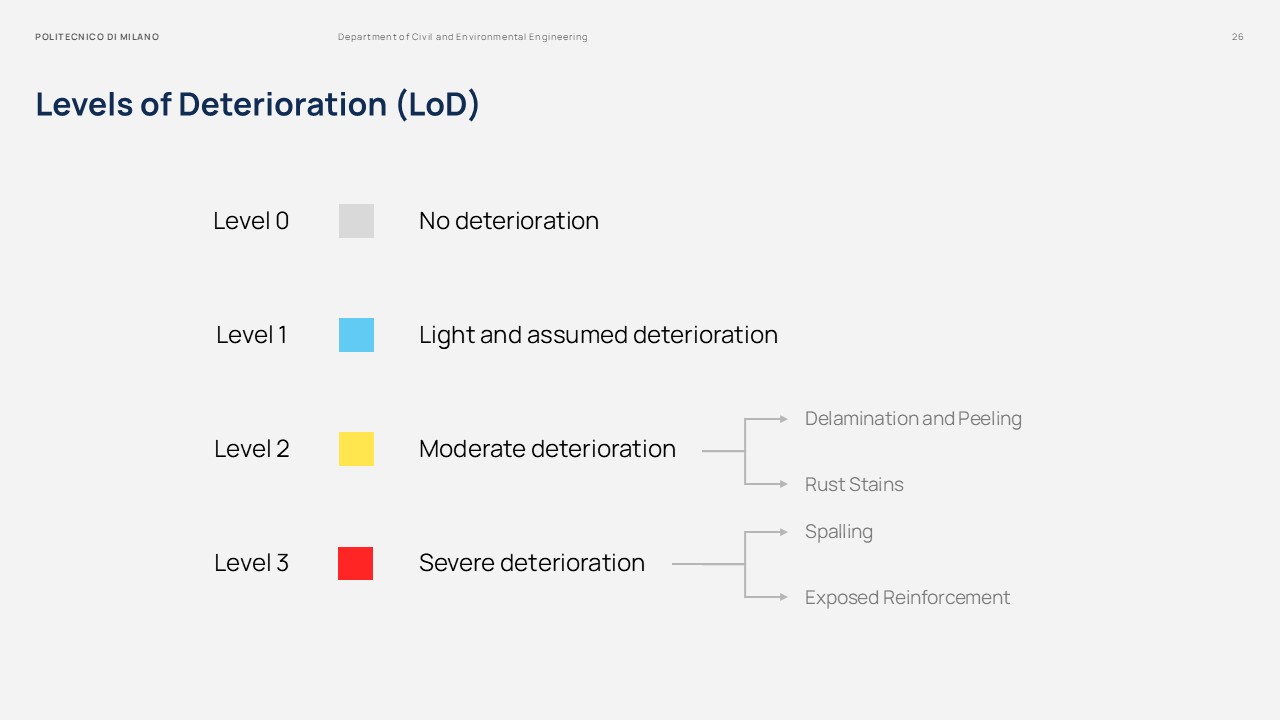
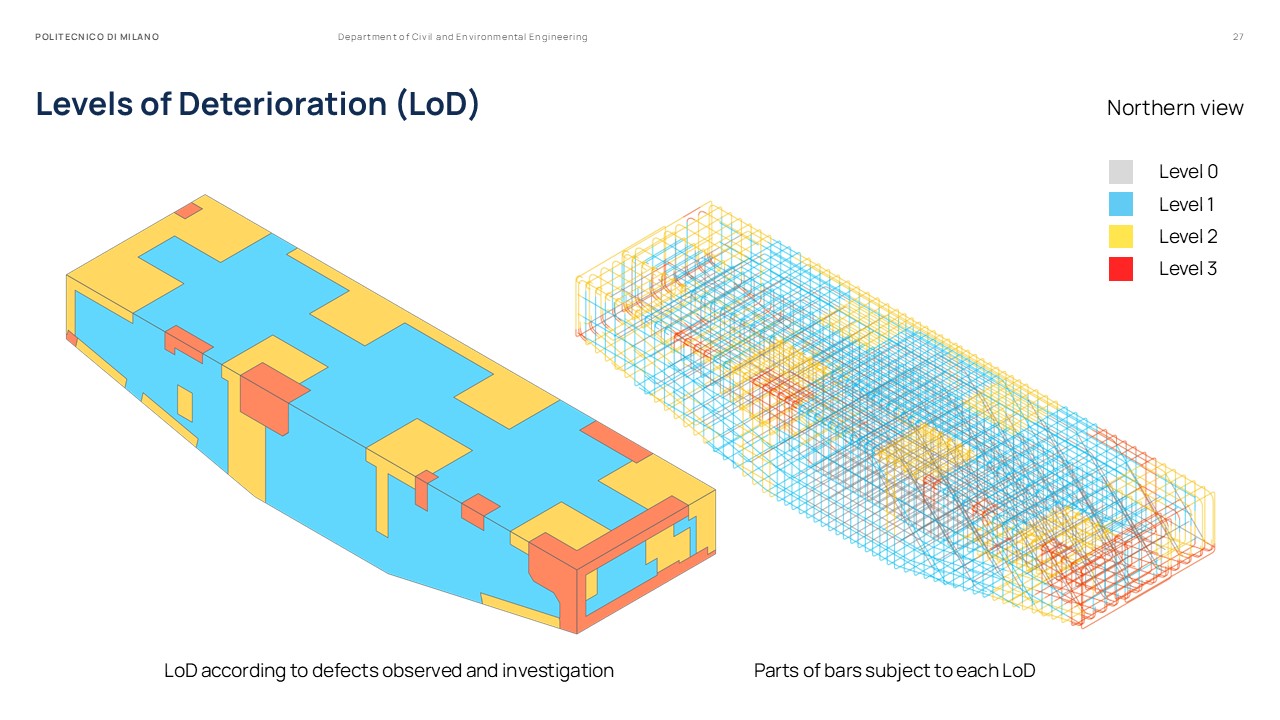
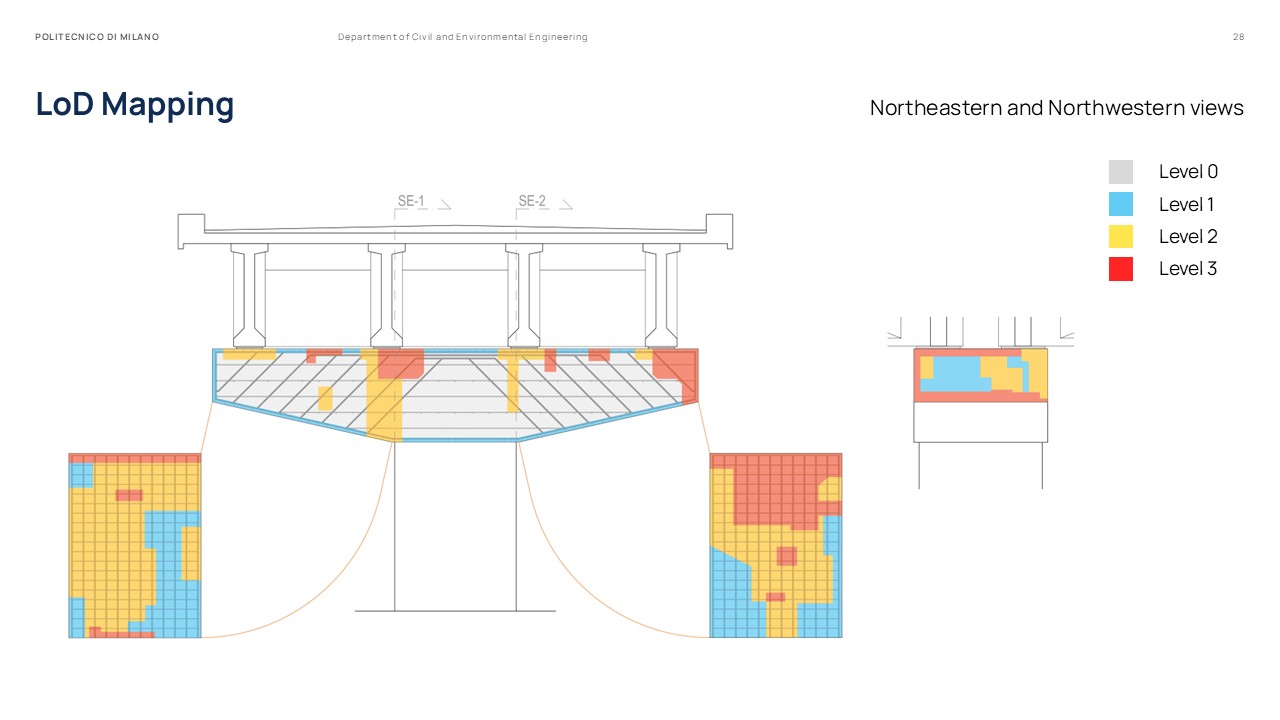
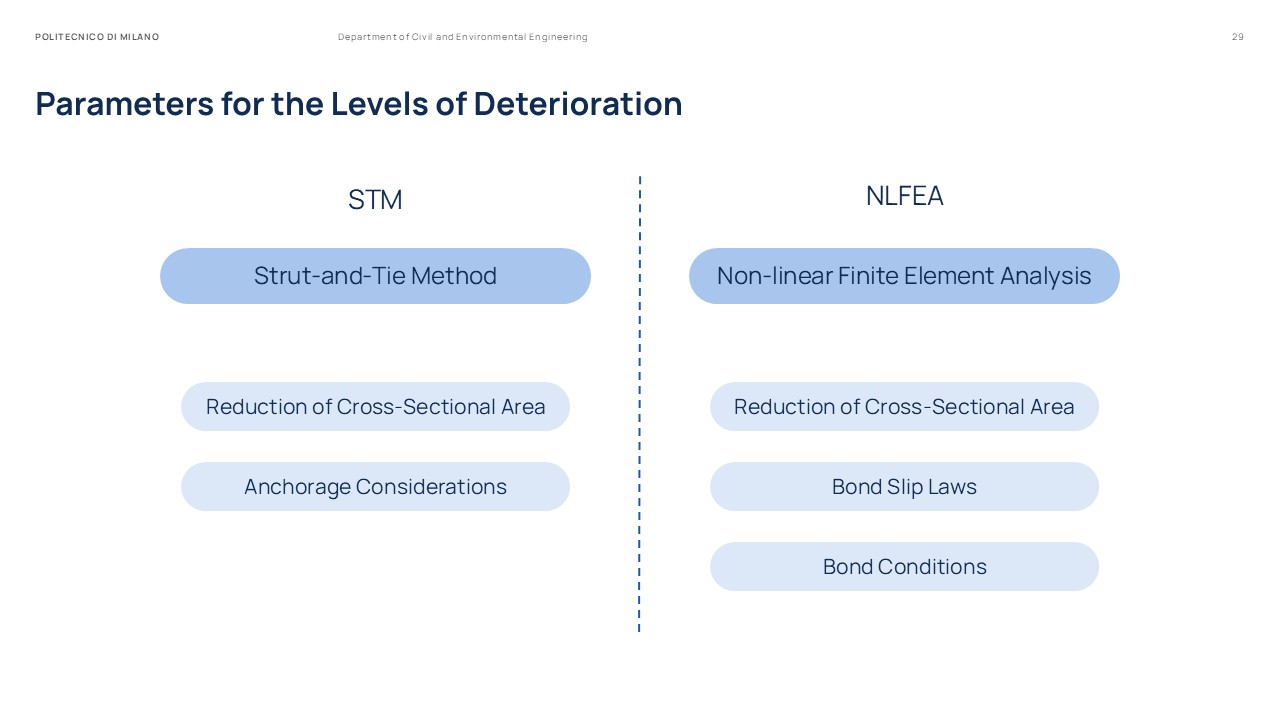
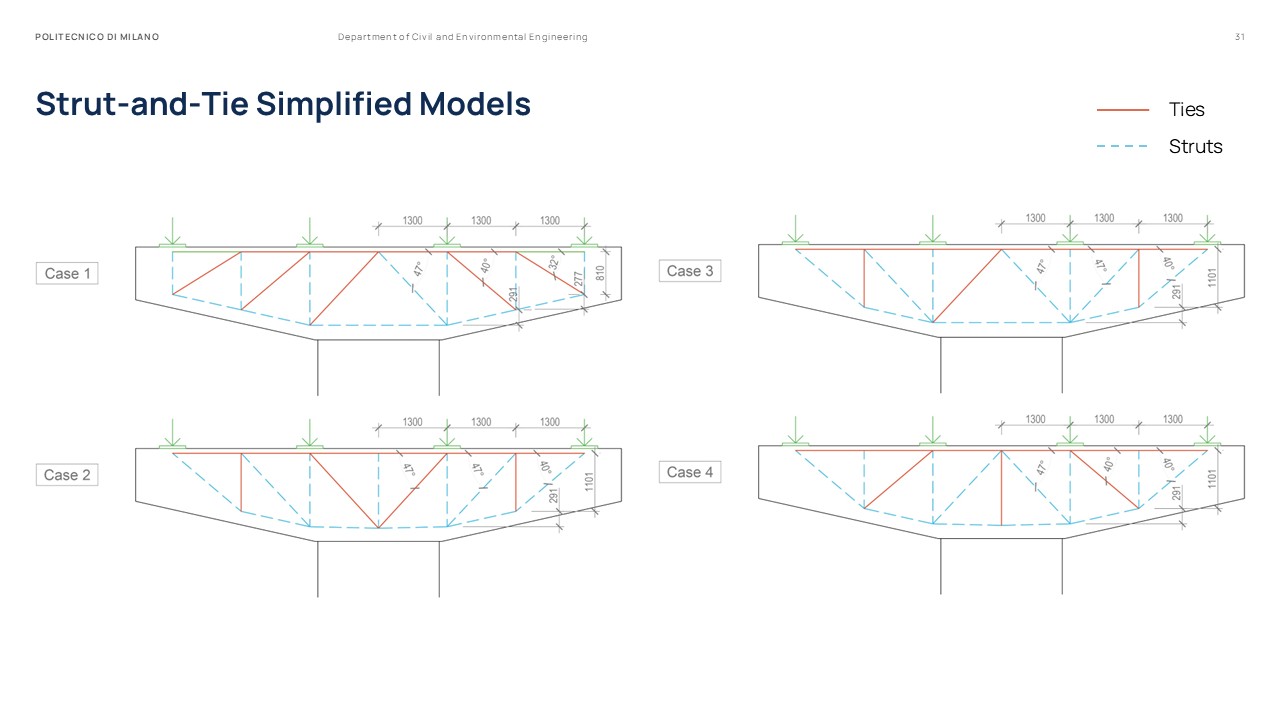
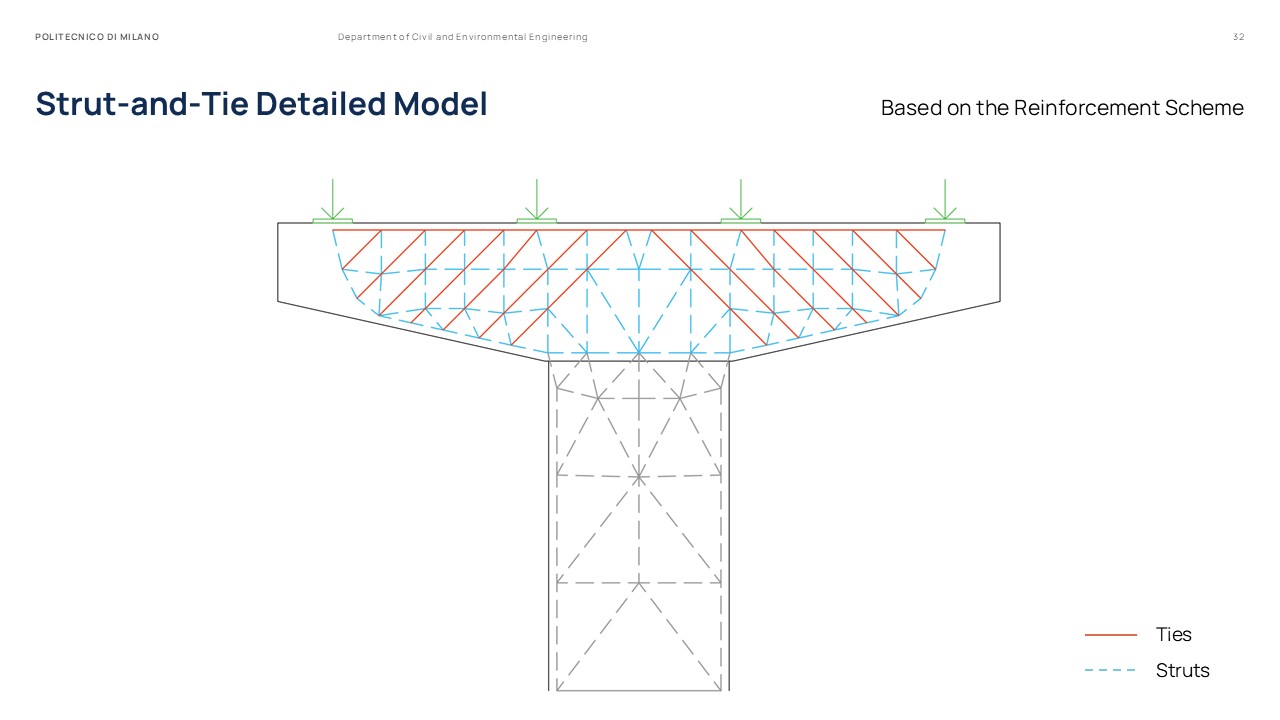
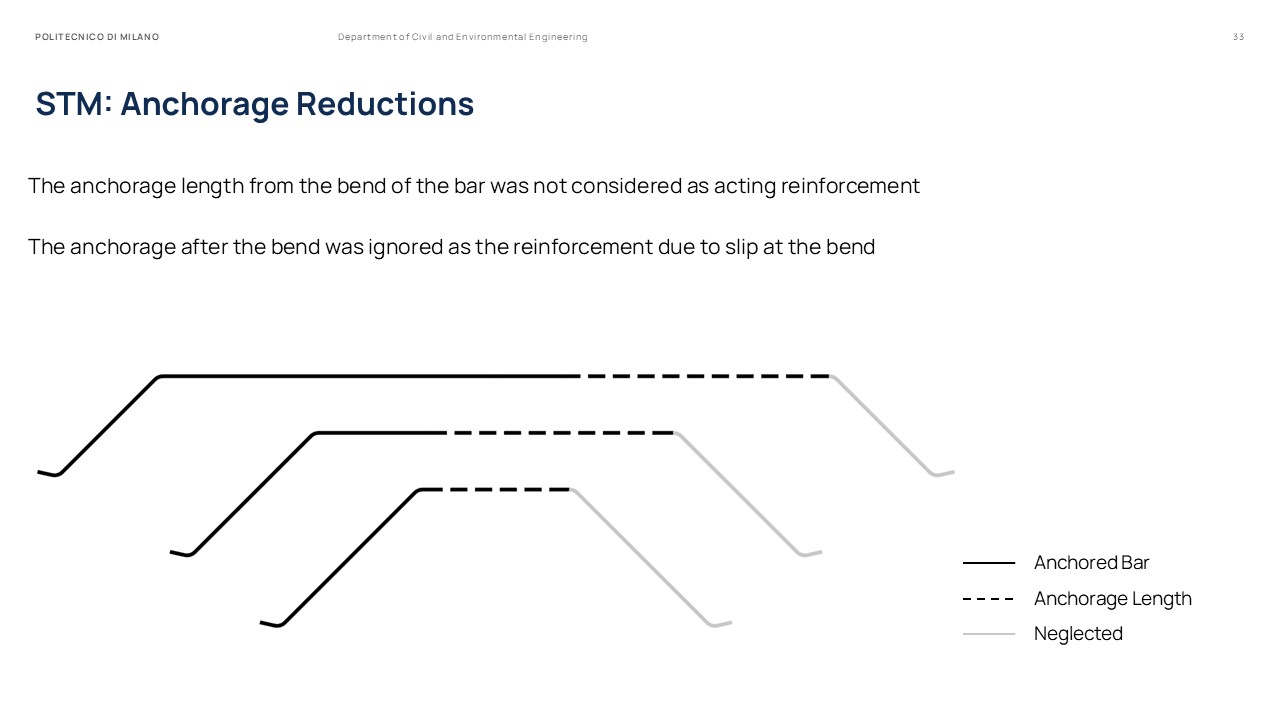
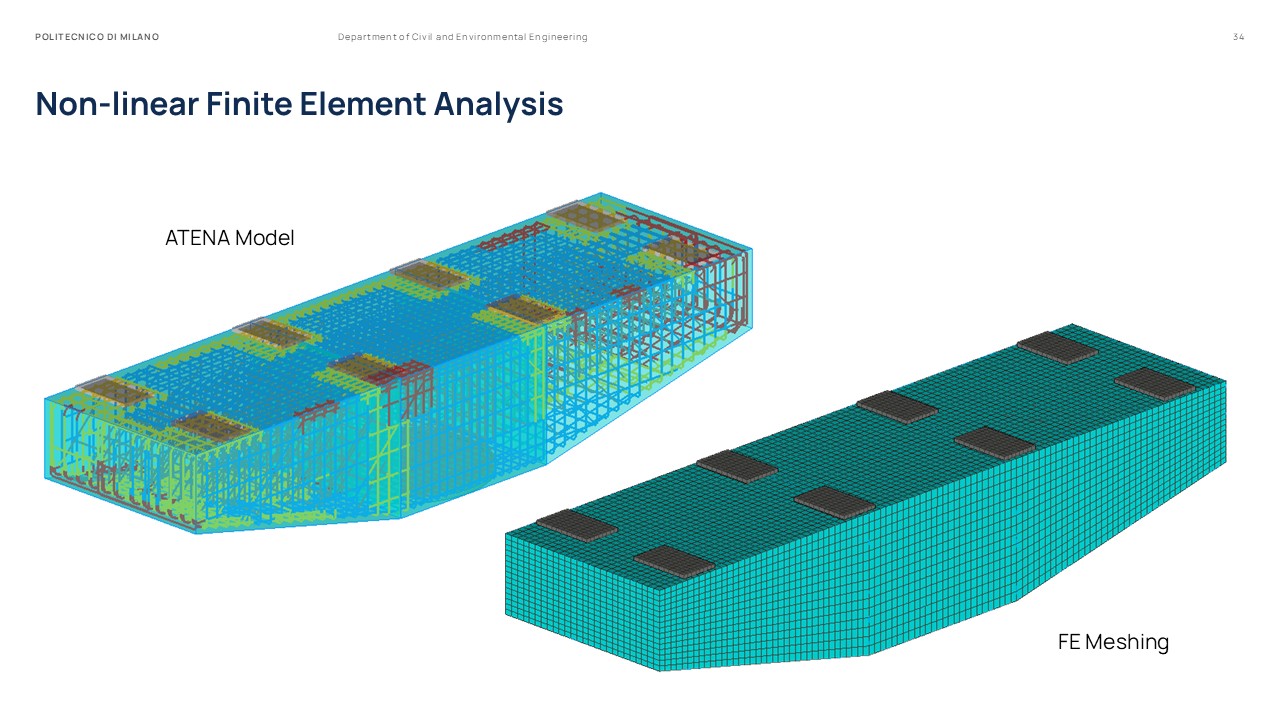
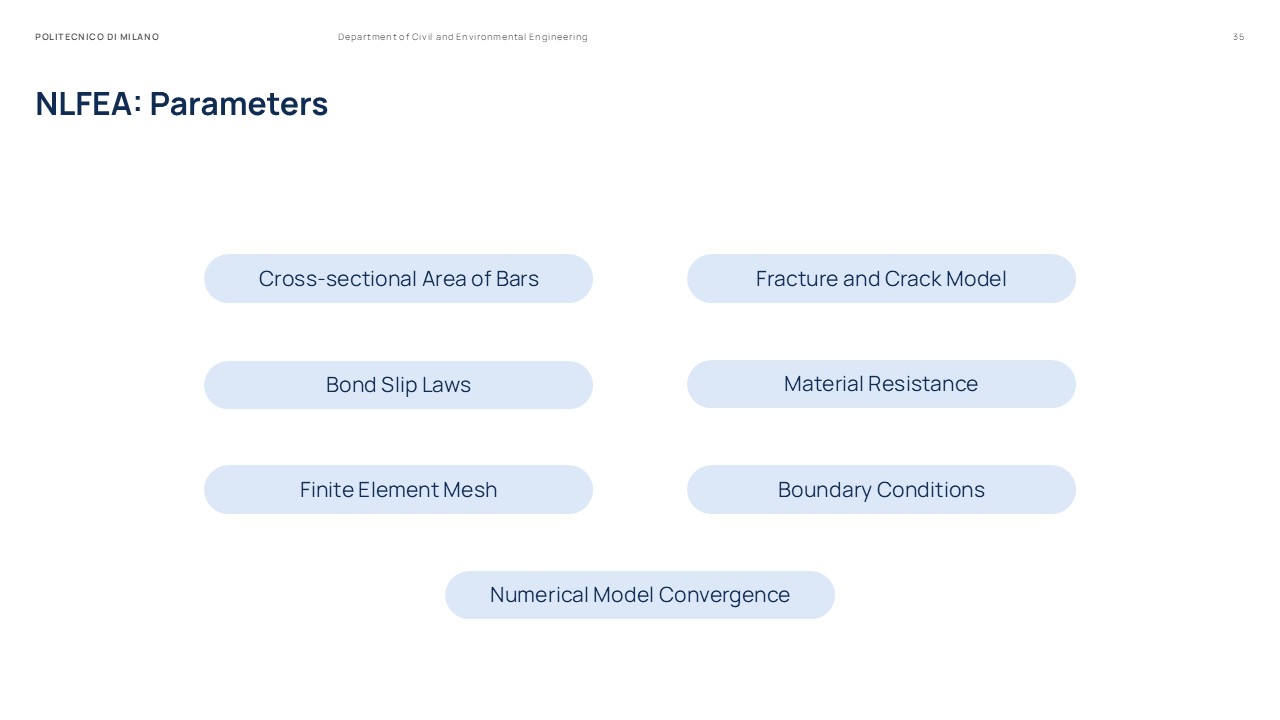
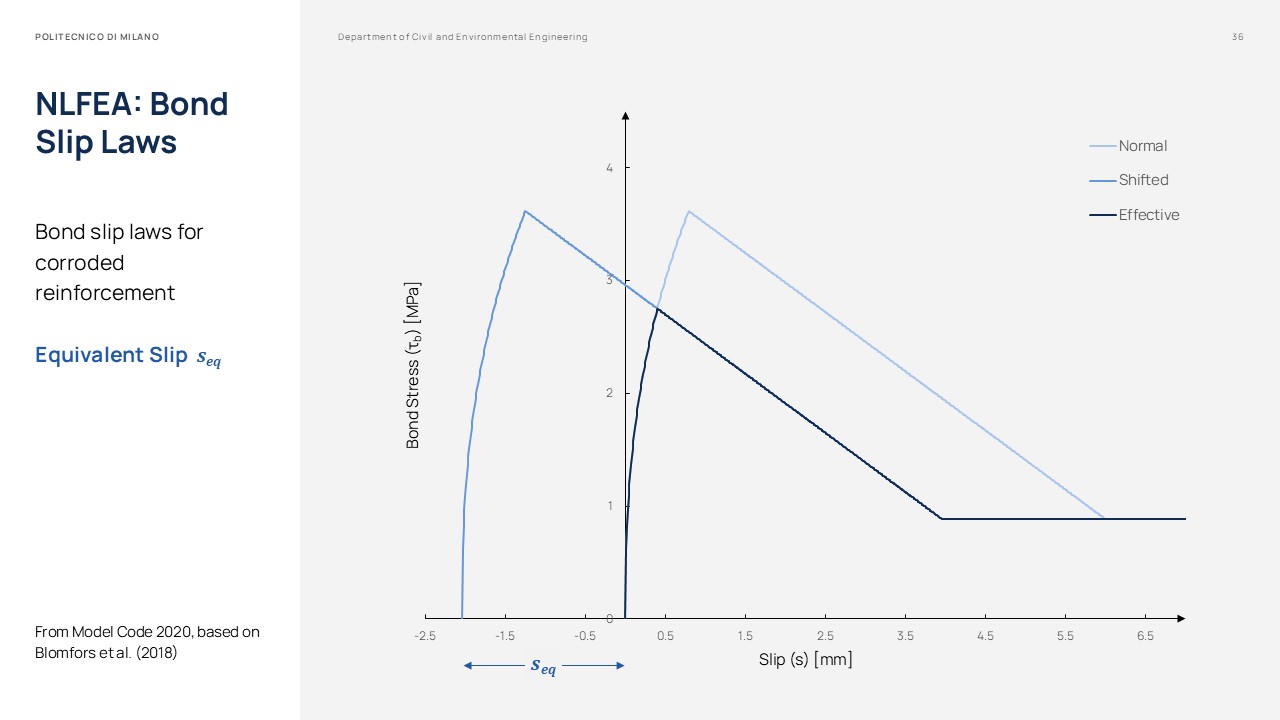
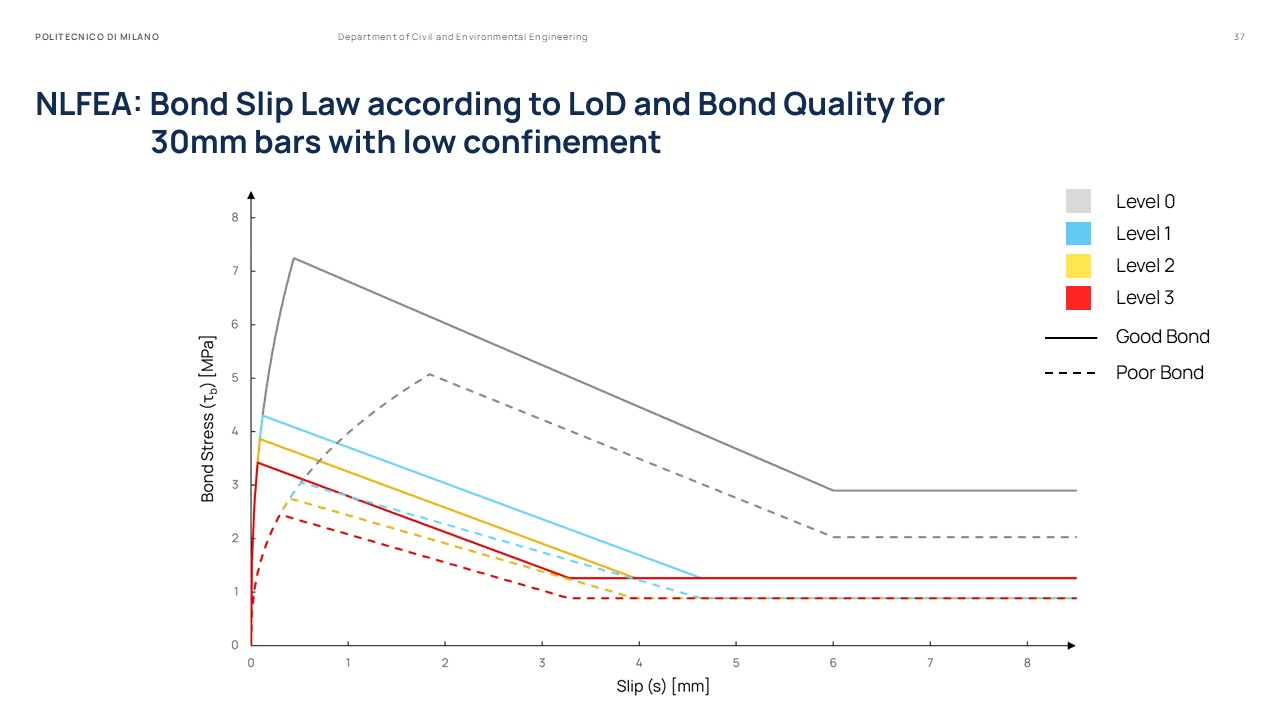
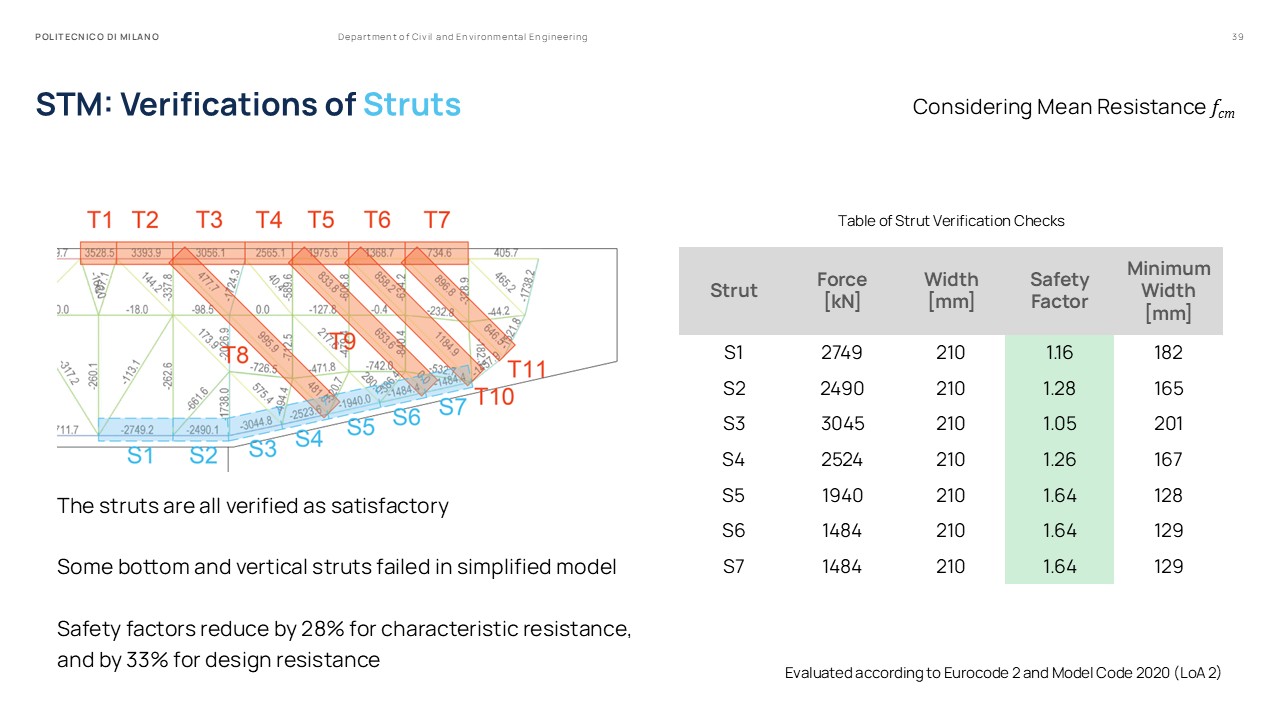
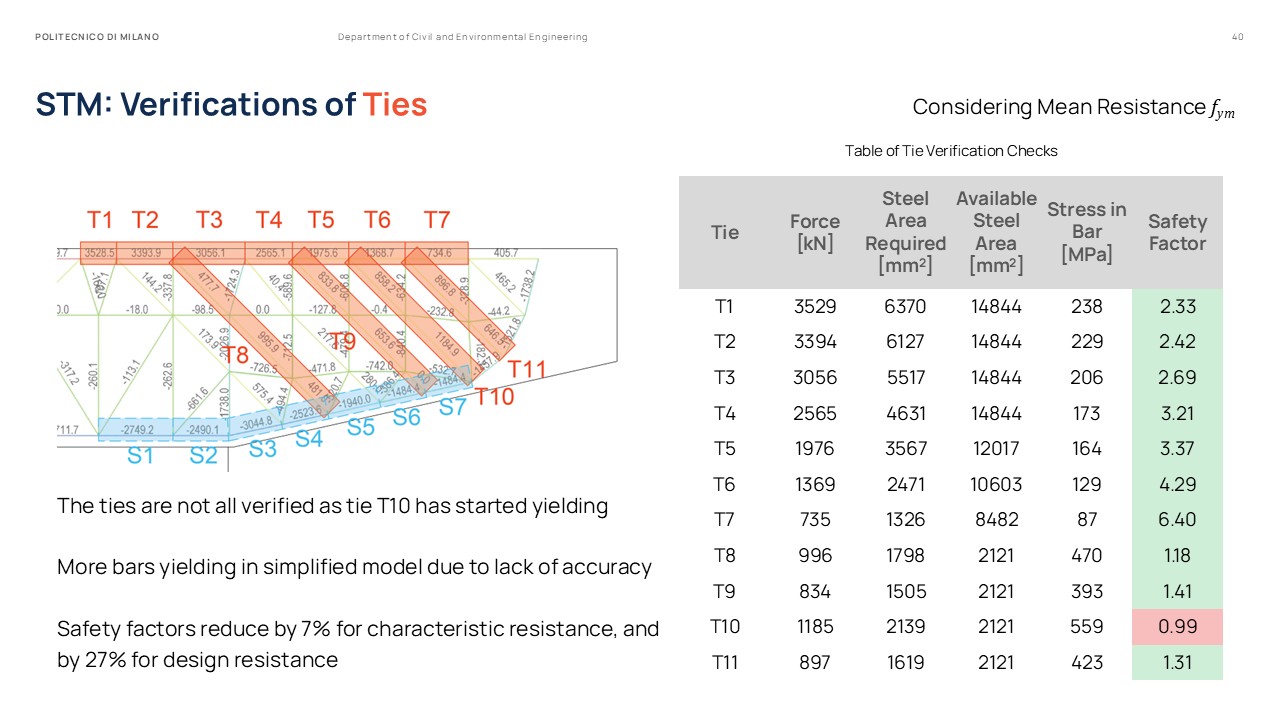
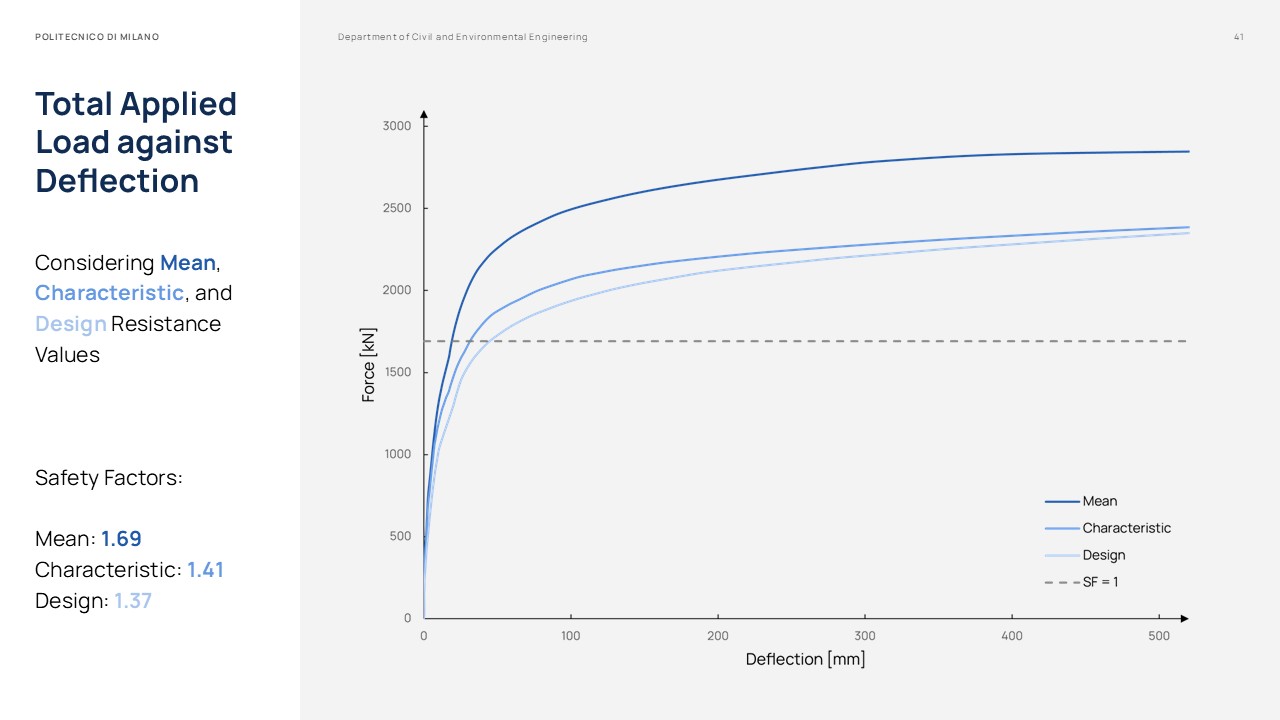
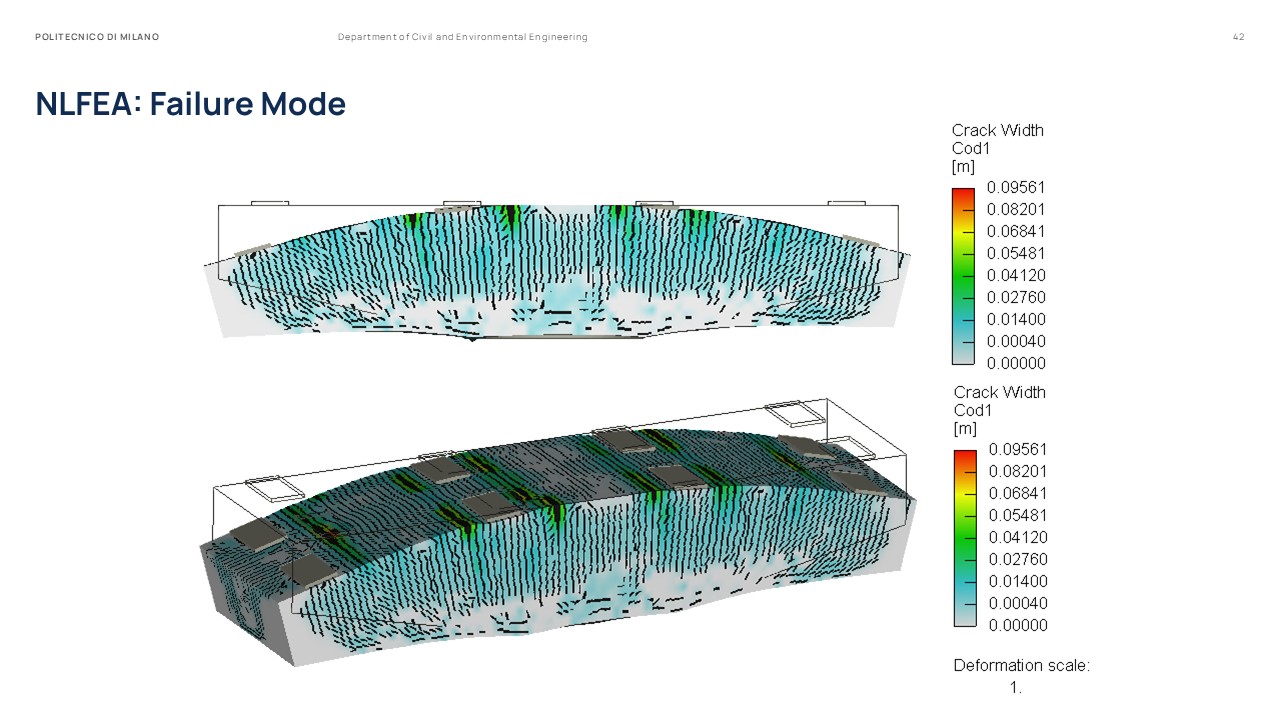
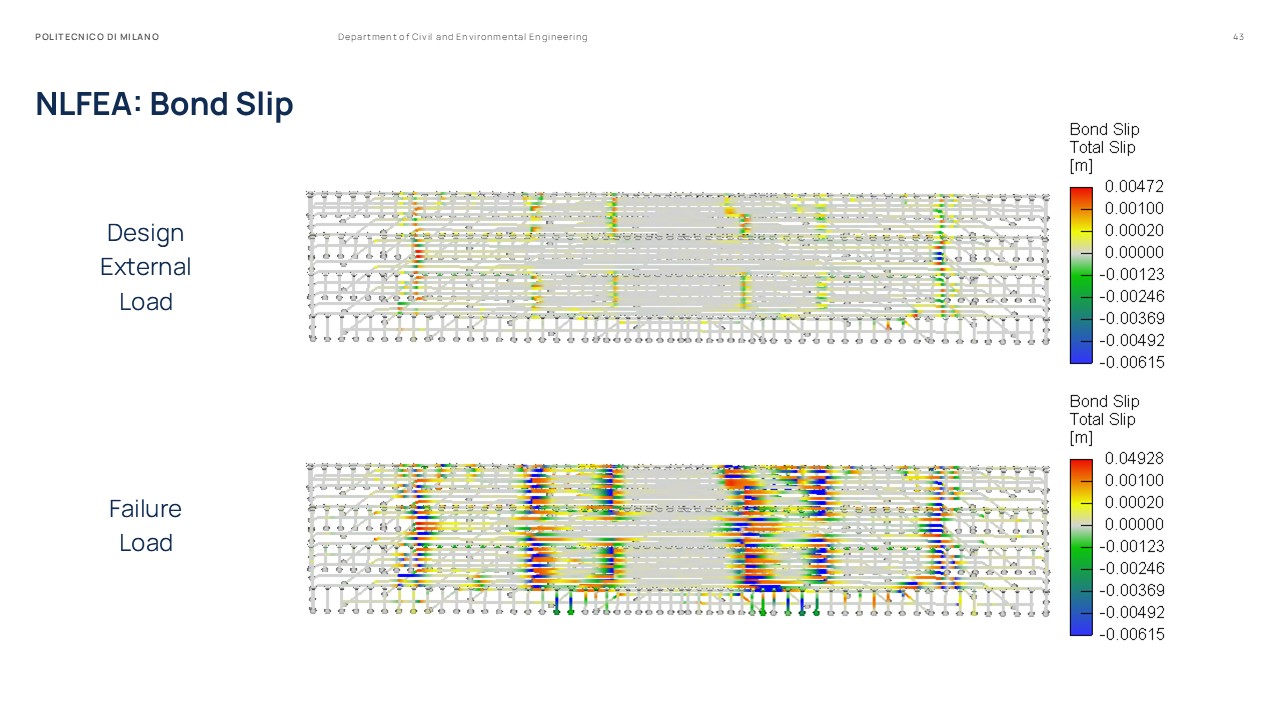
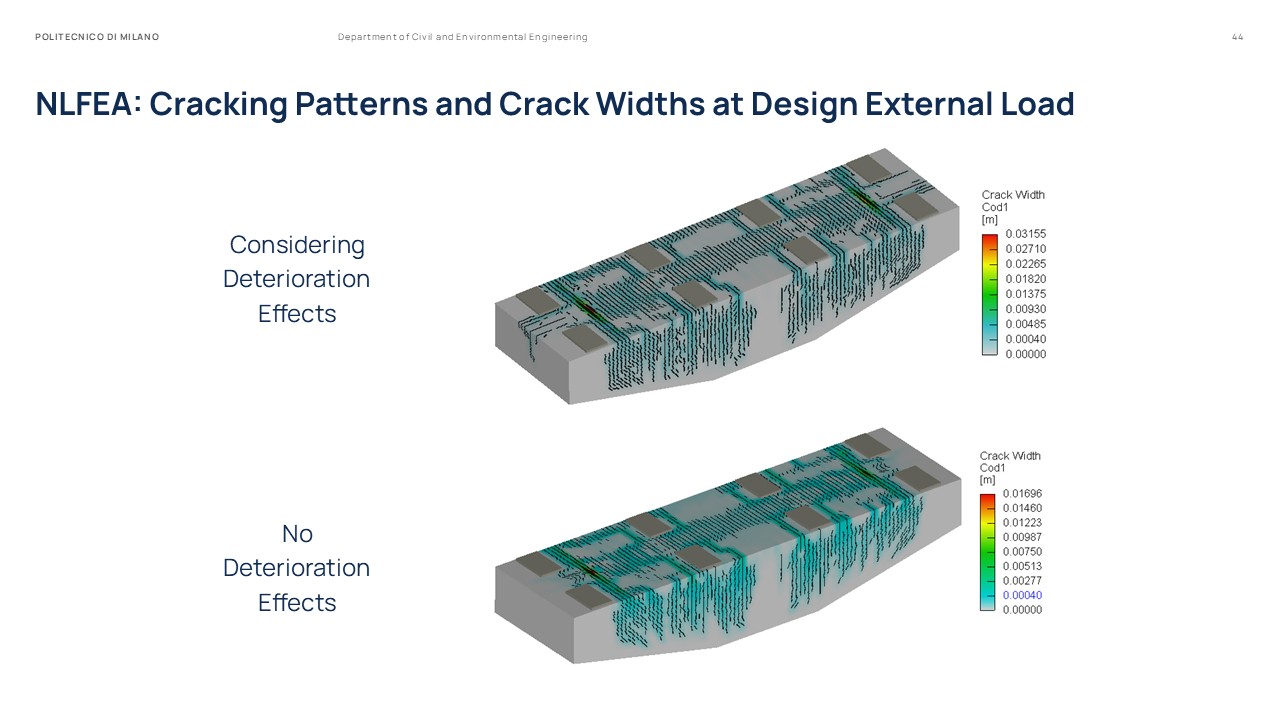
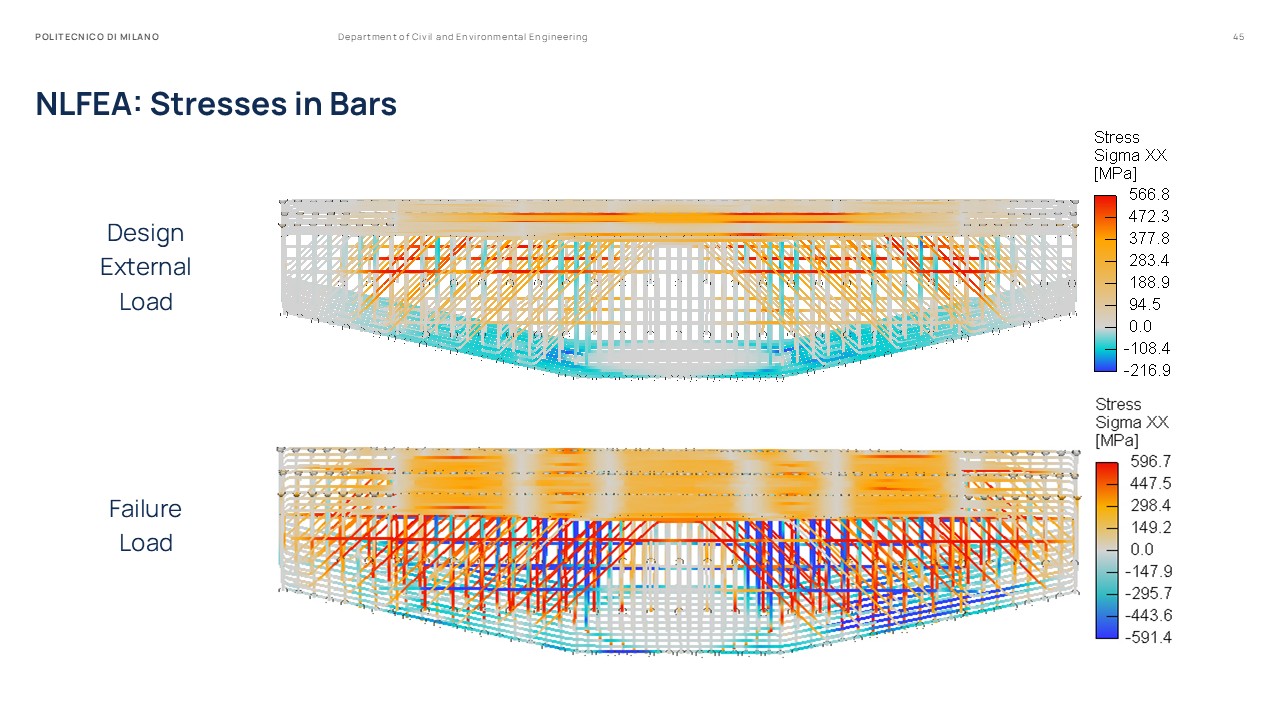
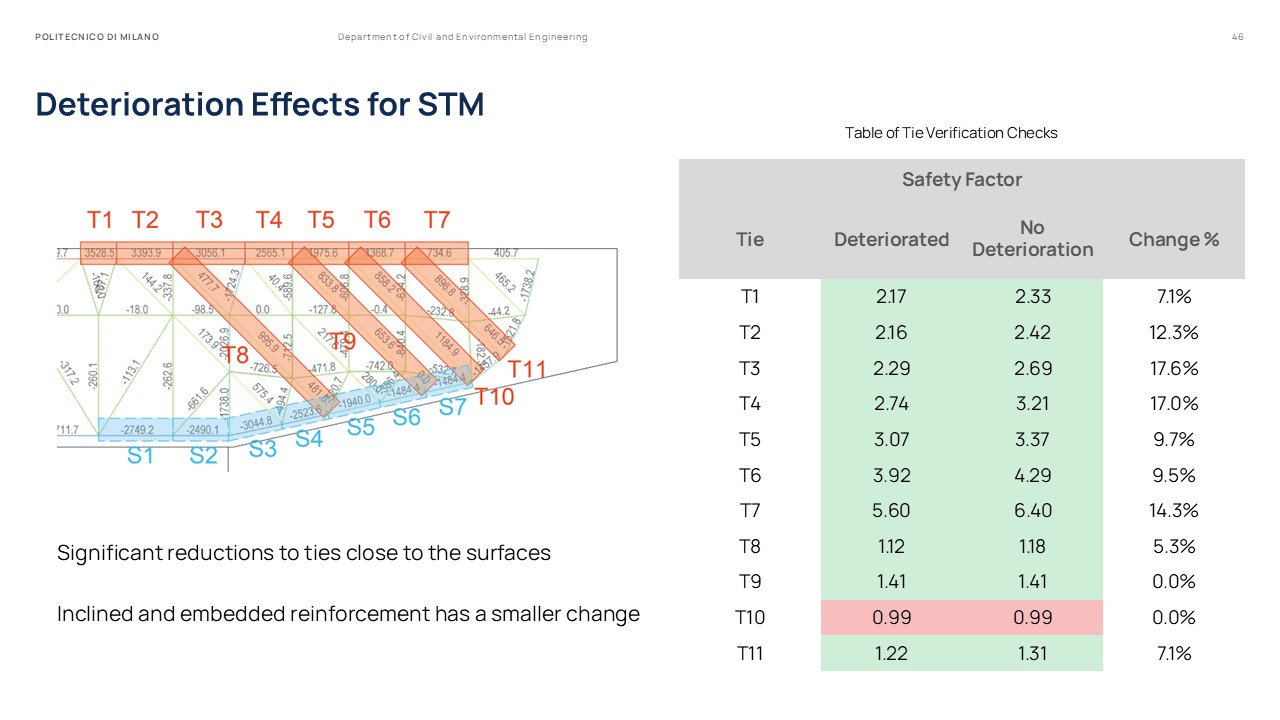
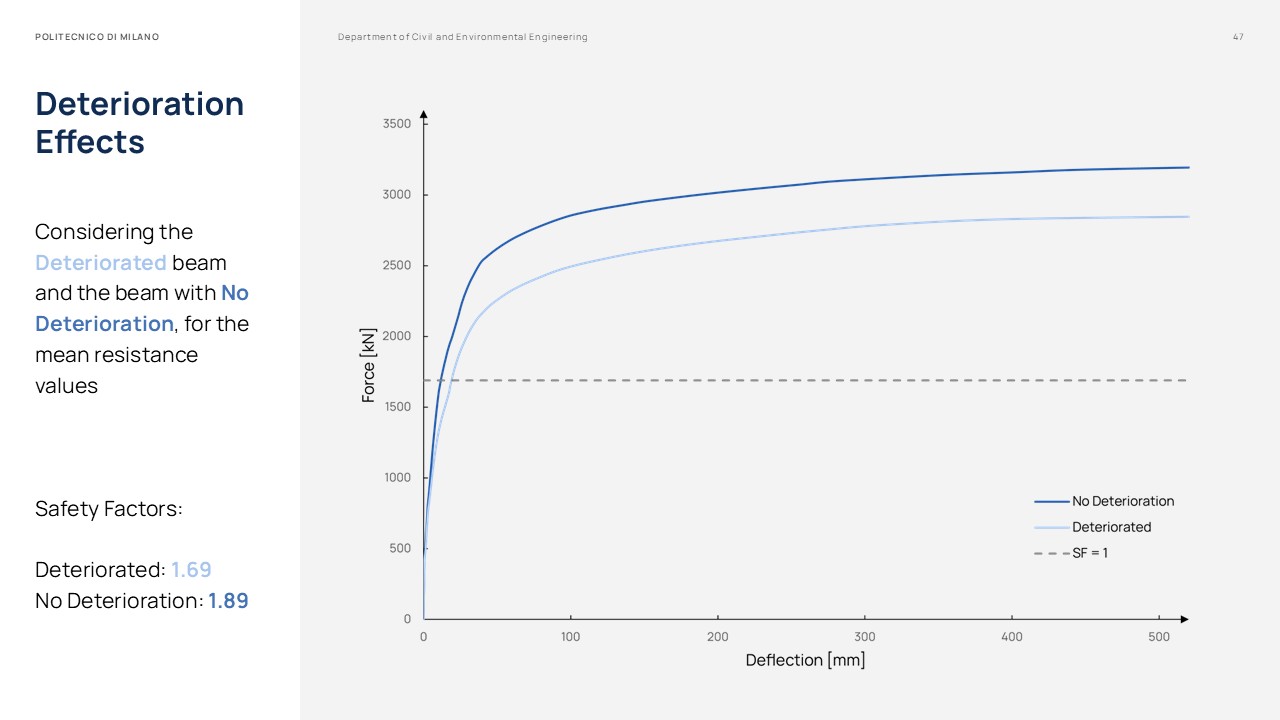
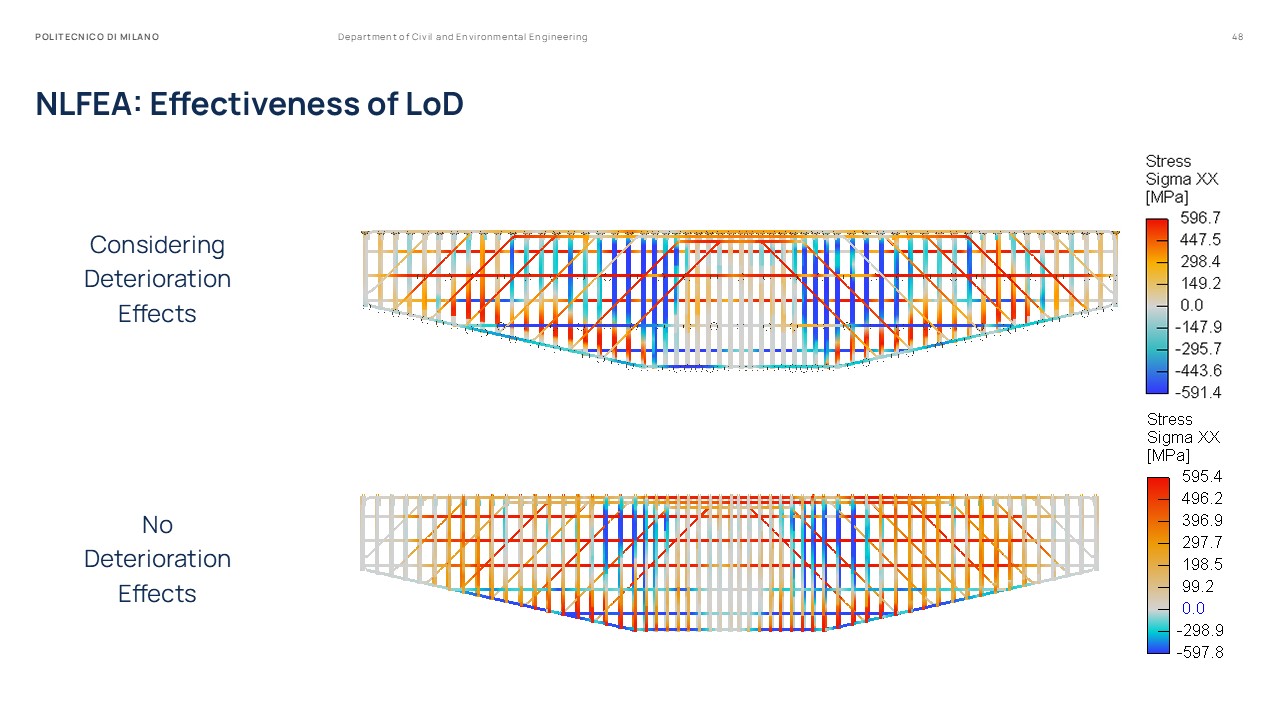
A case study of an existing pier capping beam that has deteriorated due to environmental factors is analysed to address these issues. A load analysis and an investigation are done to reverse-engineer the design problem and determine the beam's geometry and properties. The strut-and-tie method and non-linear finite element analysis using ATENA are used to analyse the beam, considering varying resistance parameters and material behaviour. Levels of deterioration are devised to analyse the state of the beam, spanning from no deterioration to surfaces subject to spalling. Reductions are applied to the reinforcement bar diameters to account for cross-sectional area loss, and bond slip laws are evaluated considering corrosion, as introduced in Model Code 2020 by FIB, based on the investigation results.
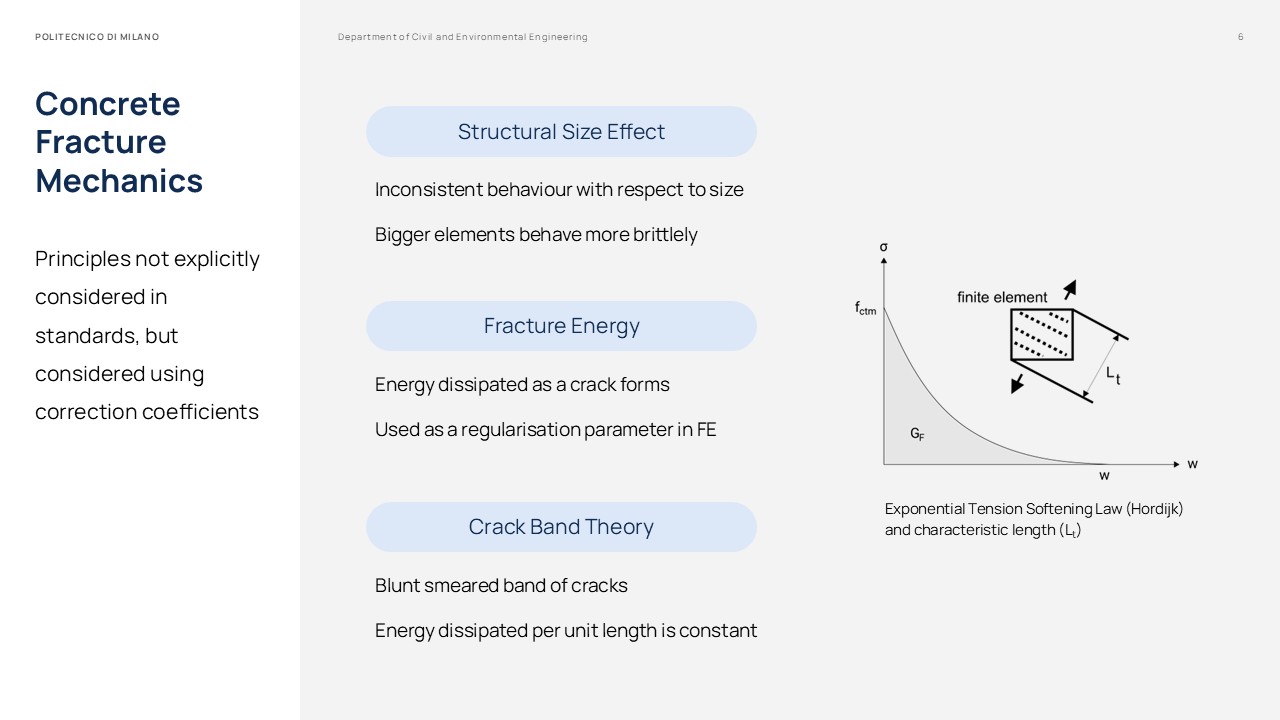
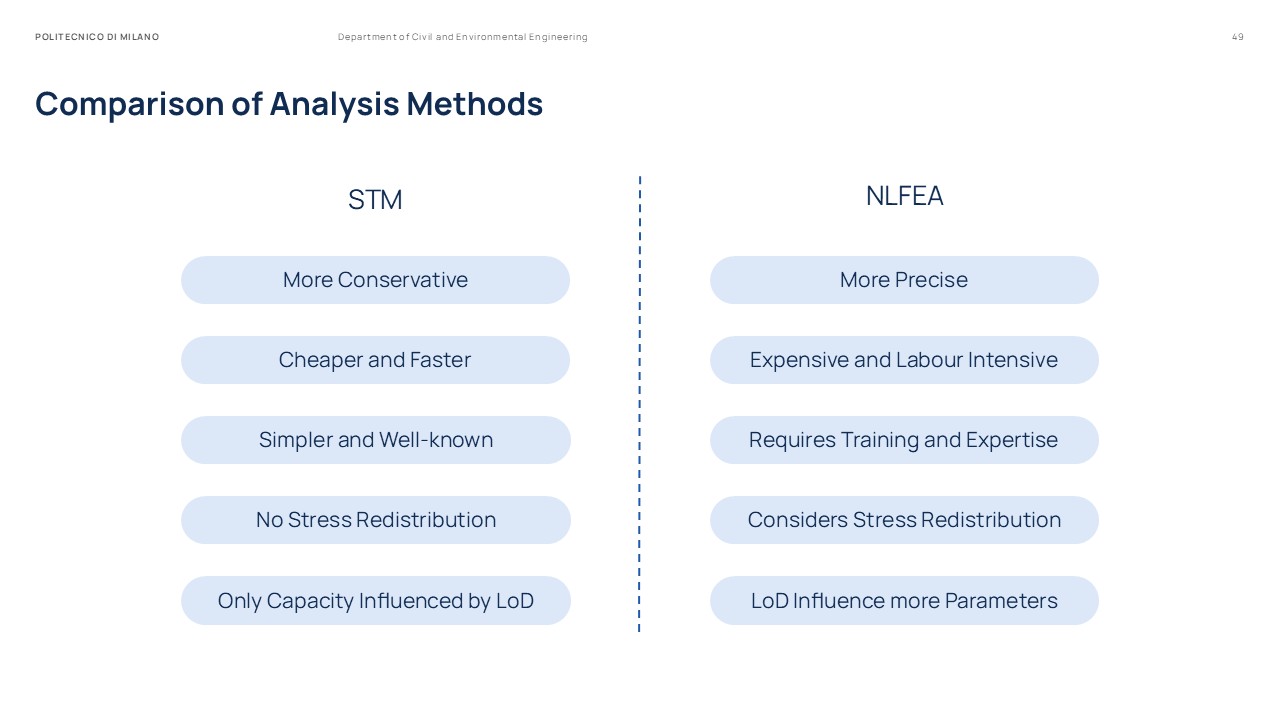
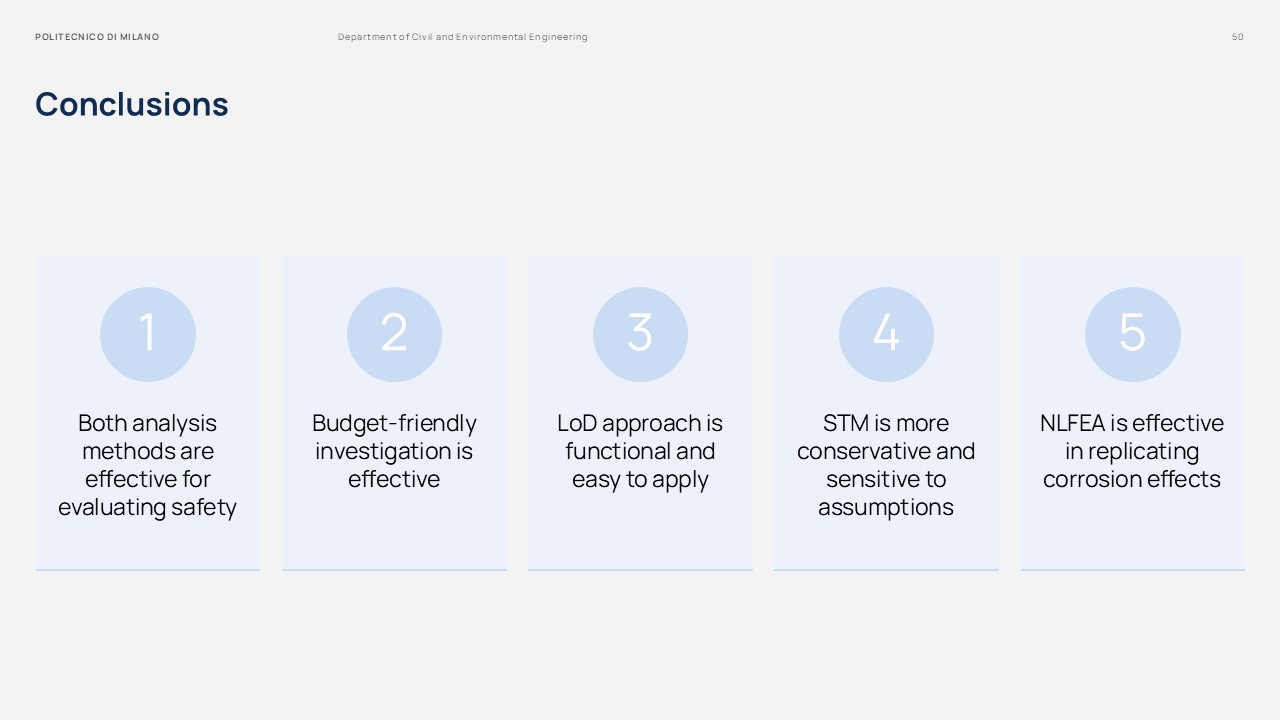
The capping beam passes the ultimate limit state safety checks and demonstrates the effectiveness of the proposed defect and deterioration interpretation method. Both analysis methods arrive at the same conclusions, but with different levels of accuracy. The strut-and-tie method was found to yield more conservative results and to be sensitive to assumptions and simplifications. Non-linear finite analysis models are shown to be effective in replicating corrosion effects and illustrating their implications.
The full thesis can be accessed here. Should you not have academic access, please request viewing access by contacting me, stating a reason for your interest.